Work directly to maintain and extend existing ecosystems and their biodiversity, of both plants and animals, especially ecosystems under threat
Syarif Hidayatullah State Islamic University, through the Faculty of Science and Technology (FST), particularly the Biology Study Program, and the SDGs Center, conducted ecosystem education and conservation programmes in 2025 and 2026 to protect coastal and forest ecosystems while raising awareness among students and local communities. Activities included mangrove planting on Pari Island in collaboration with local communities and environmental stakeholders, student field trips for animal systematics and species identification, BIOSVER 2025 featuring environmental education, an SDGs declaration, and tree planting, as well as discussions with Gunung Gede Pangrango National Park on biodiversity research, ecosystem restoration, and wildlife monitoring.
The programme recorded mangrove planting activities involving 3,000 and 1,500 seedlings on Pari Island, contributing to coastal erosion prevention, practical biodiversity learning, and stronger collaboration between academics, communities, and conservation partners. To sustain these efforts, future initiatives will integrate conservation into the Tri Dharma of Higher Education and interdisciplinary study programmes at FST, while expanding collaboration with Gunung Gede Pangrango National Park in biodiversity research, ecosystem restoration, wildlife monitoring, and community empowerment.
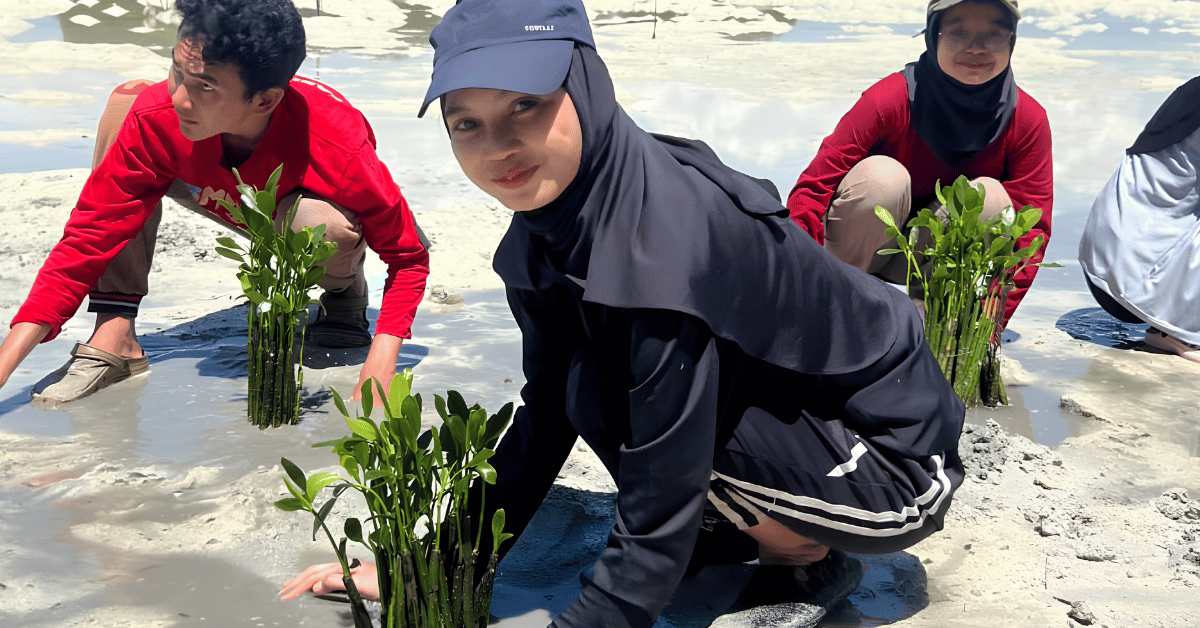
On May 17, 2025, the Biology Study Program of the Faculty of Science and Technology (FST), Syarif Hidayatullah State Islamic University Jakarta, conducted a community service activity by planting 1,500 mangrove propagules at Bintang Beach, Pari Island, within the Thousand Islands Marine National Park, Jakarta. Sourced from local environmental advocates, the propagules supported collaboration between academia and the local community in coastal conservation. The initiative aimed to reduce coastal erosion, maintain shoreline stability, and provide students with hands-on environmental conservation experience, contributing to the protection of Indonesia’s coastal ecosystems and long-term environmental sustainability.
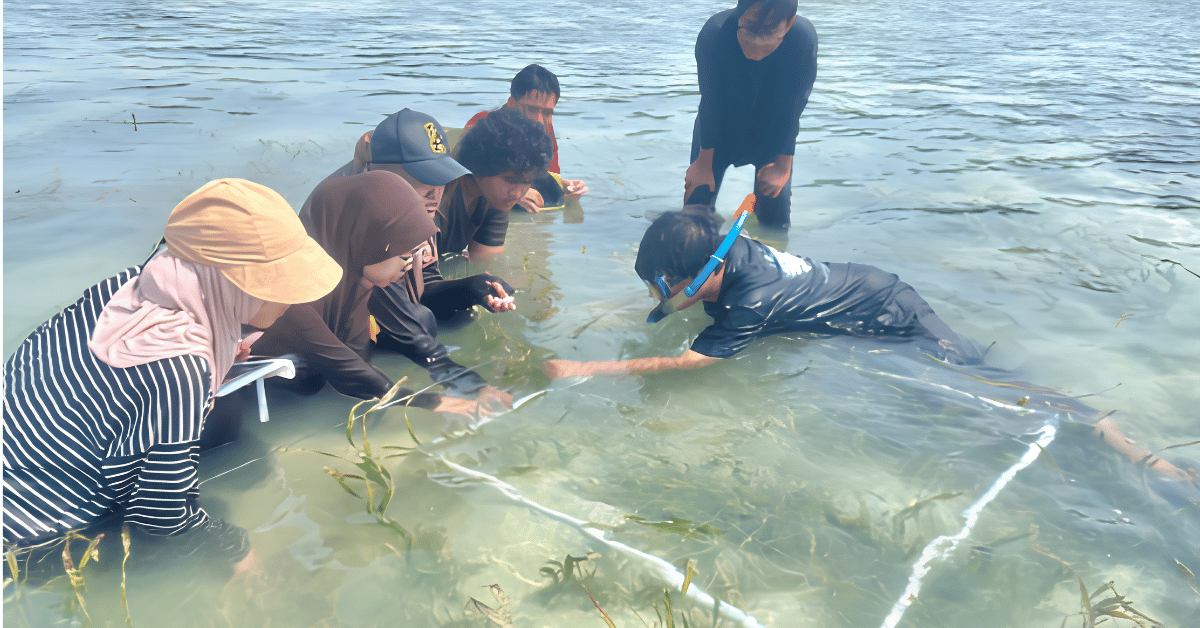
From May 8 to 10, 2026, the Biology Study Program of the Faculty of Science and Technology (FST), Syarif Hidayatullah State Islamic University Jakarta, conducted a three-day Animal Systematics field trip on Pari Island, Thousand Islands, Jakarta. The activity provided students with hands-on experience in identifying and classifying fauna in natural habitats. On the first day, students learned fish identification using morphometric and meristic analyses under the guidance of Ashma Hanifa, M.Si., Founder of the Elasmobranchi Project Indonesia, and observed birds and mammals in mangrove ecosystems.
On the second day, students assessed marine biodiversity using the Line Intercept Transect (LIT) method to record coral cover and associated marine organisms, followed by soil macrofauna sampling using the hand-sorting method. These field-based activities strengthened students’ skills in biodiversity assessment and deepened their understanding of coastal and terrestrial ecosystems, supporting environmental conservation and biodiversity awareness.
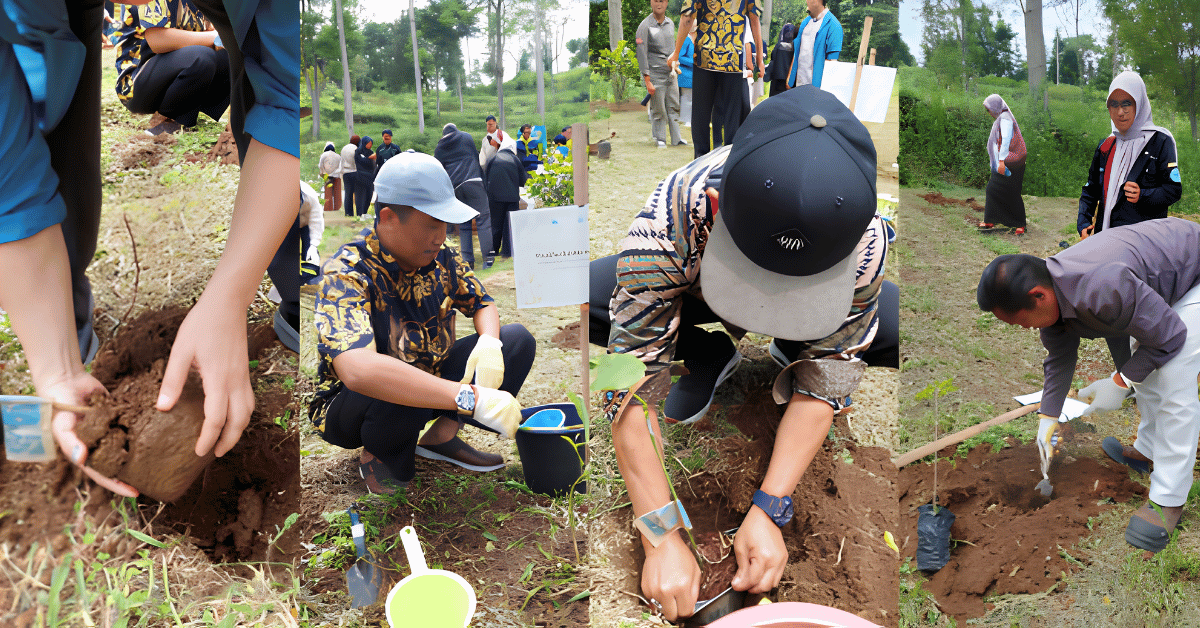
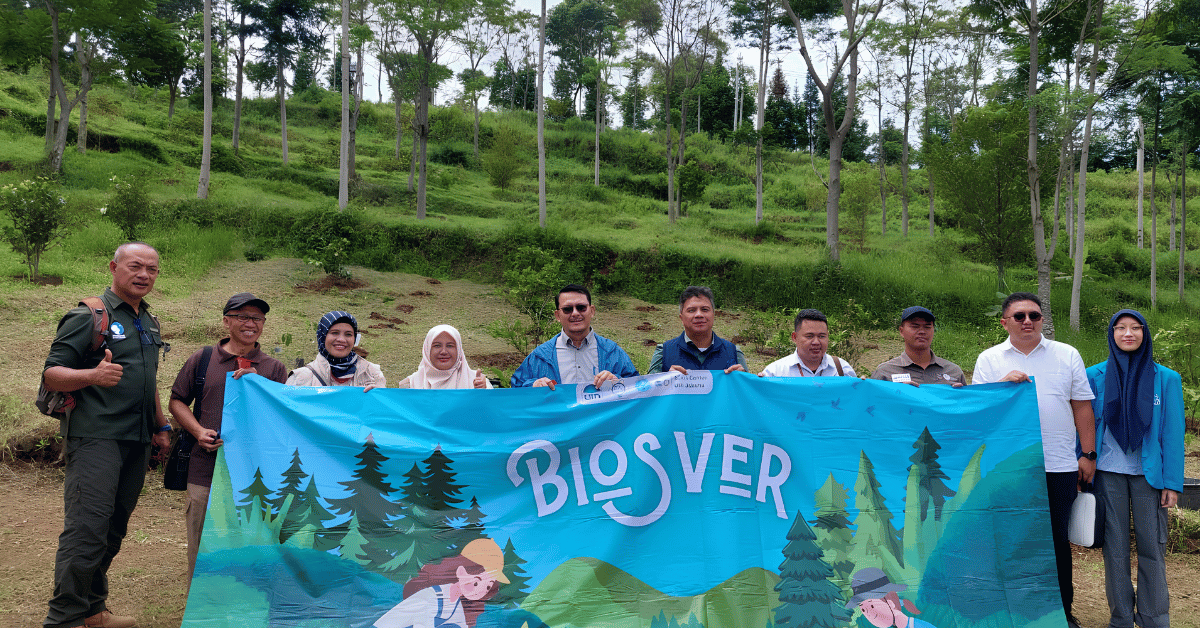
In 2025, the Biology On Society for Environment Restoration (BIOSVER) programme was held under the theme “Green Future: Steps Towards Conservation and Sustainable Development” to promote environmental awareness and encourage collective conservation efforts. A key highlight was the signing of a Declaration of Support for the Implementation of the Sustainable Development Goals (SDGs) by the SDGs Center of Syarif Hidayatullah State Islamic University Jakarta, the Faculty of Science and Technology, and Resort PTN Region VI Tapos, reaffirming their shared commitment to sustainable development.
On February 19, 2025, BIOSVER also featured community service activities and a ceremonial tree-planting event at Aranya Coffee & Forest. These initiatives demonstrated the university’s commitment to environmental conservation, collaboration with stakeholders, and advancing the SDGs to support a greener and more sustainable future for generations to come.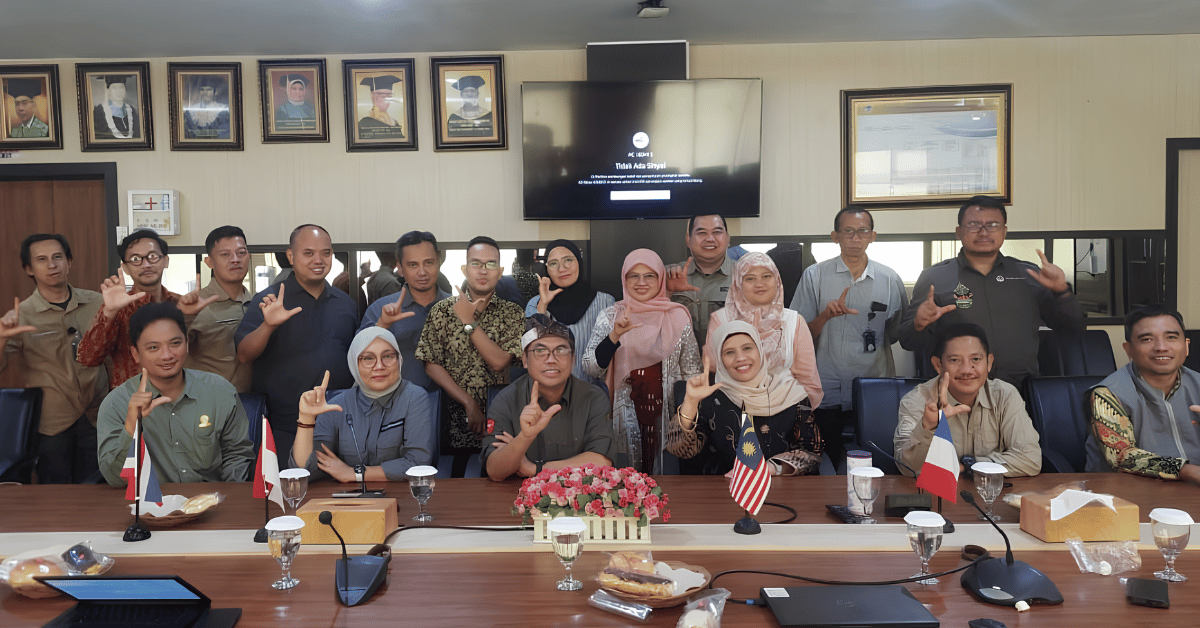
On September 10, 2025, the Faculty of Science and Technology (FST) of State Islamic University Syarif Hidayatullah Jakarta (UIN Jakarta) held a follow-up meeting with Gunung Gede Pangrango National Park (TNGGP) to advance the joint declaration supporting the Sustainable Development Goals (SDGs) and the Merdeka Belajar Kampus Merdeka (MBKM) program. The meeting, held at the FST Main Conference Room, brought together FST leadership, representatives of the SDGs Center, and TNGGP officials to discuss potential collaborations in biodiversity research, ecosystem restoration, wildlife monitoring, and community empowerment. The discussion also explored opportunities to utilize funding from the Environmental Fund Management Agency (BPDLH) and support the FOLU Net Sink 2030 initiative, while emphasizing the importance of translating research outcomes into patents, publications, and practical innovations. The meeting reaffirmed the commitment of both institutions to strengthen natural resource conservation through the university’s Tri Dharma activities—education, research, and community service—and encourage interdisciplinary collaboration across FST study programs.
Source :