
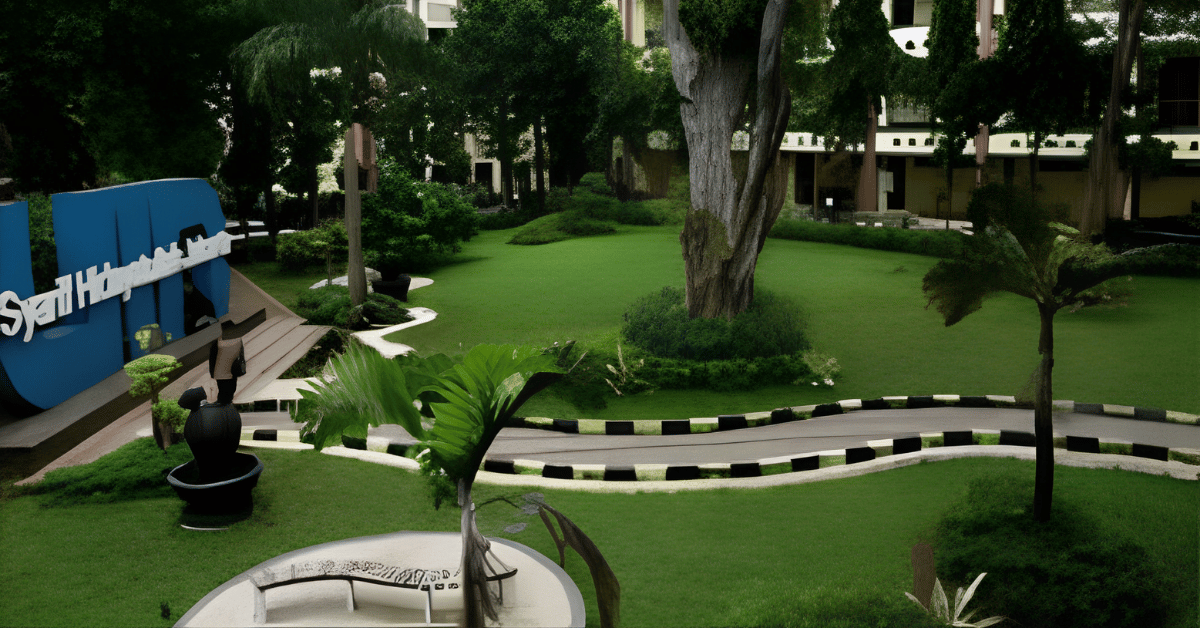
Water-Conscious Planting: Plant Landscapes to Minimise Water Usage. (e.g. Use Drought-Tolerant Plants)
Landscape planting affects how much water a campus must use and how much rainwater it can absorb. Indicator 6.3.5 (Water-conscious planting) assesses whether landscapes are planted to minimise water usage, for example with drought-tolerant plants. This report documents the vegetated and open areas of the four campuses of Syarif Hidayatullah State Islamic University.
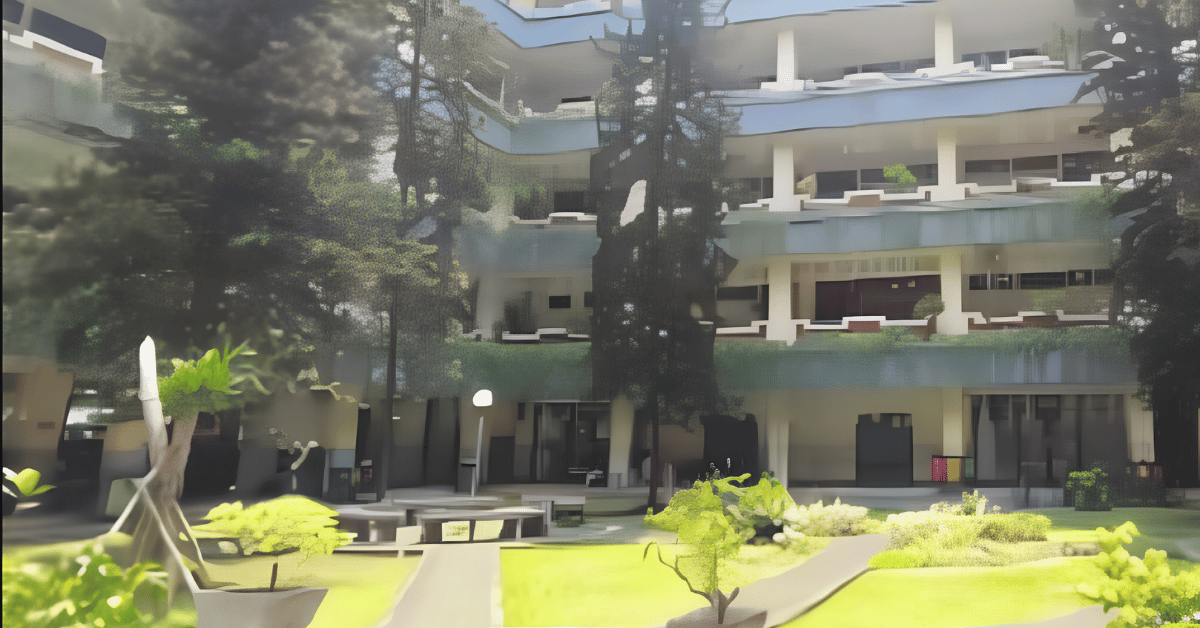
Syarif Hidayatullah State Islamic University manages four campus sites: Campus 1 (Jl. Ir H. Juanda No. 95, Ciputat), Campus 2 (Jl. Kertamukti No. 5, Cireundeu), Campus 3 (Jl. Raya Bojongsari No. 55, Depok), and Campus 4 (Cikuya). Land area, open space, forest vegetation, planted vegetation, and water catchment areas were compiled per campus from Worksheet 6 Land and Buildings and documented through field photos of the landscaped areas.
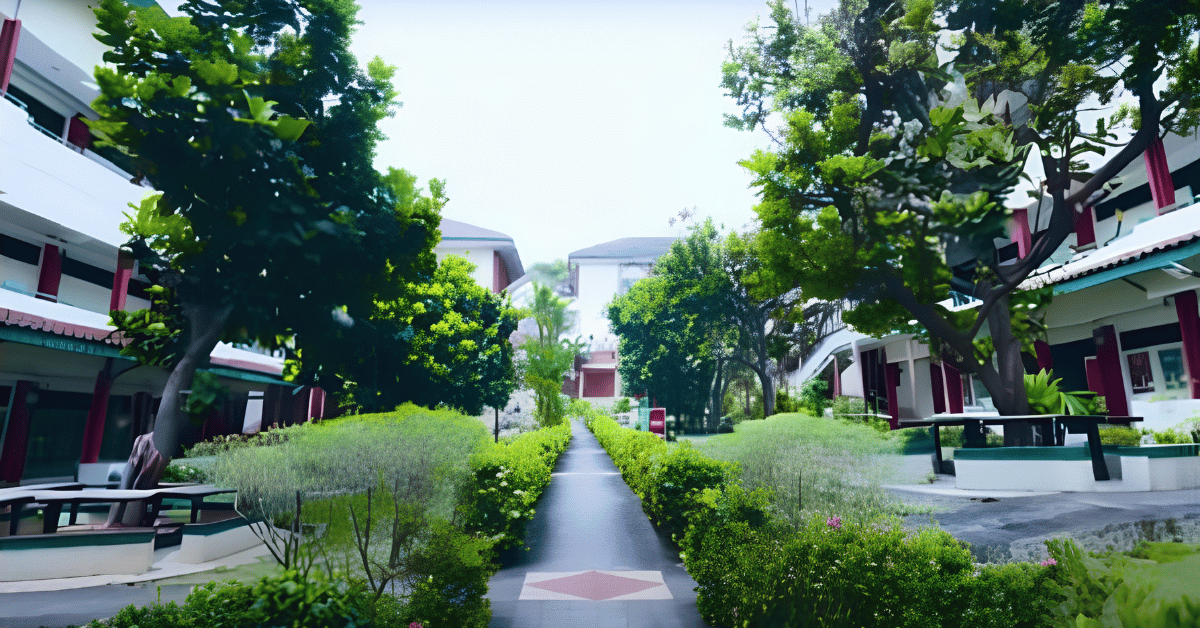
Open space makes up 90.25% of the total campus area of 742,739 m2. The vegetated and catchment areas that contribute to water absorption total 668,355.70 m2: forest vegetation 329,069.40 m2, planted vegetation 264,482.30 m2, and water catchment 74,804.00 m2 (10.07% of the campus area). Landscapes dominated by forest, planted vegetation, and open areas help minimise surface runoff and support soil conservation and groundwater recharge.
Source: Land and Buildings UIN Jakarta