
UIN Jakarta Researchers Propose Semar-Inspired Model for Digital Citizenship Education
Cirebon, UIN News Online – A collaborative research team involving scholars from UIN Syarif Hidayatullah Jakarta has proposed a new framework for digital citizenship education rooted in Semar, a revered figure in Javanese wayang tradition. By translating Semar’s philosophical values into five key dimensions, the study offers a culturally grounded approach to helping Madrasah Ibtidaiyah students become thoughtful, ethical, and responsible participants in the digital world.
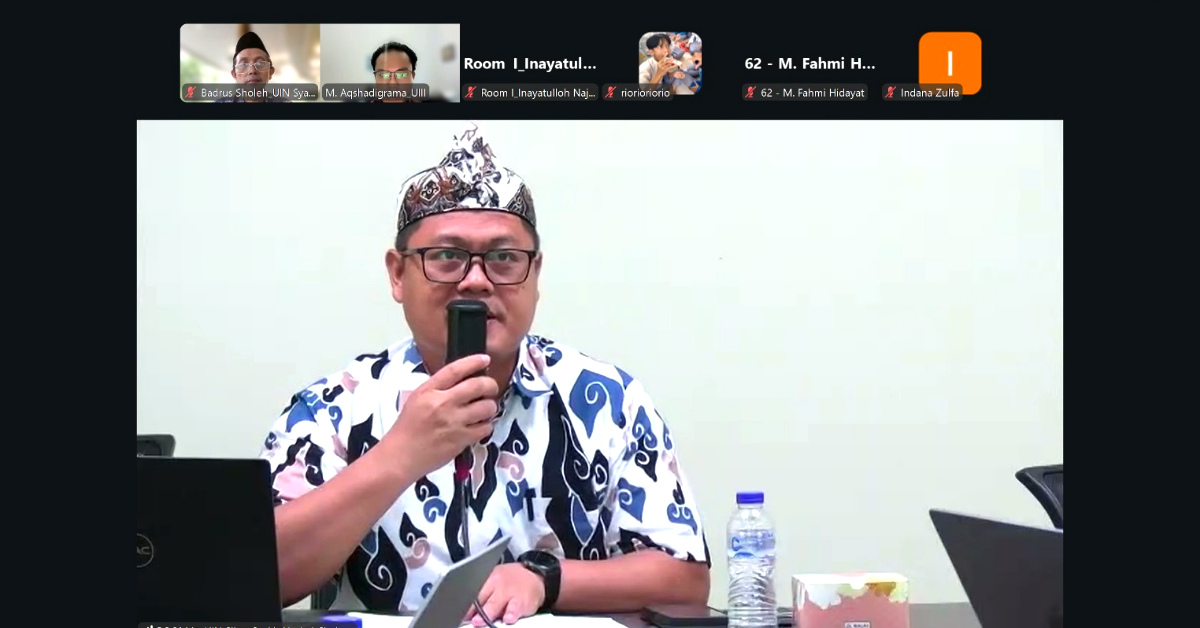
The study, titled “Semar as a Local Wisdom Framework for Digital Citizenship Education in Madrasah Ibtidaiyah: A Systematic Literature Review,” was presented at the 25th Annual International Conference on Islam, Science, and Society (AICIS+) 2026, held at UIN Siber Syekh Nurjati Cirebon on November 17–20, 2026.
The research was conducted by Anis Fuadah Z. of UIN Jakarta’s Faculty of Educational Sciences and Badrus Sholeh of its Faculty of Social and Political Sciences, in collaboration with Syifa B. Az-Zahra of Diponegoro University and Suyitno of STAI Diponegoro.
The researchers identified a gap between two strands of existing scholarship. Studies of Semar, a prominent figure in Javanese wayang (shadow puppet) tradition, have largely examined his philosophical values in relation to character education, leadership, cultural philosophy, and performing arts. Meanwhile, research on digital citizenship in education has tended to emphasize digital literacy, ethics, and online safety, with limited attention to Indonesia’s local cultural perspectives.
To bridge this gap, the team conducted a Systematic Literature Review (SLR) using a Rapid Review approach adapted from the Preferred Reporting Items for Systematic Reviews and Meta-Analyses (PRISMA) framework. The review examined and synthesized literature on Semar’s philosophy, citizenship education, and digital literacy.
Known as a humble guardian and guide, Semar embodies wisdom, honesty, andhap asor (humility), social concern, and moral courage. The researchers argue that these values can inform character development and provide a culturally relevant foundation for the competencies required of 21st-century digital citizens.
The resulting framework translates Semar’s philosophy into five dimensions of digital citizenship education for Madrasah Ibtidaiyah students. The first, Digital Wisdom, refers to the ability to use technology thoughtfully, cautiously, and in ways that serve the common good. It reflects Semar’s role as a guardian who considers the moral and social consequences of actions before making decisions.
The second dimension, Information Discernment, emphasizes the ability to evaluate, verify, and filter information before accepting or sharing it. This competency is intended to help students recognize and resist misinformation and hoaxes rather than becoming uncritical consumers or distributors of digital content.
The third, Intellectual Humility, draws on the Javanese value of andhap asor. It encourages students to acknowledge the limits of their knowledge, accept correction, respect differing opinions, and avoid contributing to polarization in digital spaces.
The fourth dimension, Digital Moral Courage, concerns the willingness to uphold ethical principles online. It includes rejecting the spread of hoaxes and hate speech, as well as expressing criticism in a respectful and responsible manner.
The fifth, Digital Social Responsibility, places empathy, mutual cooperation, and tolerance at the center of students’ online engagement. It encourages them to use digital platforms to support collective well-being and build constructive forms of collaboration.
Through these five dimensions, the study positions local wisdom not merely as cultural heritage to be preserved, but as a practical resource for preparing young learners to navigate digital spaces with sound judgment, ethical awareness, and social responsibility.