
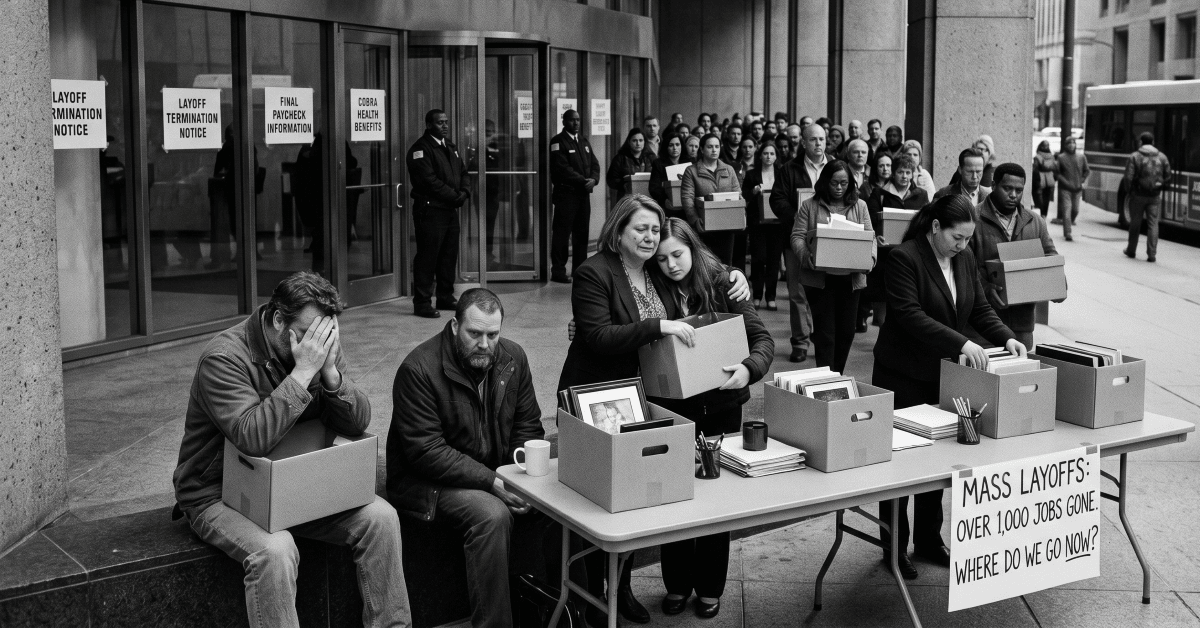
The Brutal Reality of AI, Mass Layoffs, and the Death of the Social Contract
Mohammad Nur Rianto Al Arif
Professor at UIN Jakarta
As Indonesia marches toward its "Golden Indonesia 2045" vision, a dark cloud is gathering over its labor market: a relentless storm of mass layoffs. This isn't a sudden disaster but a slow, methodical erosion of household stability and purchasing power. If the economy is an engine, then labor is its fuel, and when mass layoffs ignite, the entire system begins to shudder.
Today, Indonesia stands at a critical crossroads, forced to decide whether it can dampen this storm or if it will be sucked into a permanent employment crisis. This phenomenon, which saw over 88,000 workers lose their jobs in 2025 alone, is now being exacerbated by a global trend where even the "invincible" titans of tech are beginning to crumble.
AI will replace us
The reality of this crisis hit home recently with the shocking mass layoffs at Oracle, a company once considered a safe harbor due to its aggressive expansion into Artificial Intelligence. Oracle’s decision to slash its workforce serves as a grim reminder that AI is not just a tool for progress; it is a double-edged sword that can facilitate the rapid elimination of human roles.
When a giant that defines the future of AI decides that its own human capital is redundant, it sends a shiver through the global tech supply chain, including Indonesia’s burgeoning digital sector. This "AI-driven restructuring" is no longer a distant American problem; it is a blueprint for a new kind of corporate efficiency that treats workers as lines of code to be deleted.
Different countries, same struggles
For the American worker, this storm is particularly brutal because of the toxic entanglement between employment and survival. In the United States, a layoff notice is often a death warrant for one's healthcare. Unlike other developed nations, health insurance is tethered to the employer, meaning a pink slip from a company like Oracle doesn't just mean a loss of income—it means the immediate evaporation of medical coverage.
In a country where the cost of a single emergency room visit can rival a house down payment, most average families are forced to choose between paying for COBRA premiums that cost more than their mortgage or gambling with their lives in a healthcare system that views poverty as a pre-existing condition.
The Indonesian President's offering
The administration of President Prabowo Subianto now faces its most grueling test: managing this domino effect without losing the country’s "demographic bonus." The government has floated plans for a "Layoff Task Force" and discussed dismantling the predatory outsourcing systems that have long plagued Indonesian workers. However, these moves often feel like reactive band-aids on a systemic wound.
While there is a push for industrialization and downstreaming to create higher-value jobs, the pace of digital disruption—symbolized by the Oracle layoffs—threatens to outrun any policy reform. Indonesia risks creating a generation of "educated but frustrated" unemployed youth who are digitally savvy but economically locked out.
Ultimately, the mass layoffs we see today are a signal that the global economic structure is fundamentally fragile. Whether it is a factory worker in West Java or a software engineer at Oracle, the vulnerability is the same: they are cogs in a machine that prioritizes shareholder dividends over social contracts. Indonesia must move beyond temporary social safety nets and toward a bold structural transformation that revitalizes labor-intensive industries while providing a robust, decoupled social shield.
If we do not act to bridge the gap between technological advancement and human dignity, the Golden Vision of 2045 will be nothing more than a hollow promise, and the storm at the horizon will become the crisis that defines our future. The ink is drying on a new era of labor, and right now, it is being written in the language of subtraction.
This article was published in Kompas on Saturday (02/05/2026).