
Supporting Local Start Ups and Sustainable Businesses through Education, Mentoring, and University Resources
Syarif Hidayatullah State Islamic University Jakarta is committed to supporting local communities in developing financially and socially sustainable businesses. Through community engagement, entrepreneurship education, practical training, mentoring, digital business development, and access to university resources, the University works with local entrepreneurs and Micro, Small, and Medium Enterprises (MSMEs) to strengthen their capacity to start, sustain, and grow their businesses.
These initiatives form part of the University's broader commitment to community empowerment and sustainable local economic development. Rather than limiting entrepreneurship support to classroom education, Syarif Hidayatullah State Islamic University Jakarta brings academic expertise, students, institutional resources, and external partners directly into local communities.
From Practical Skills to Business Opportunities
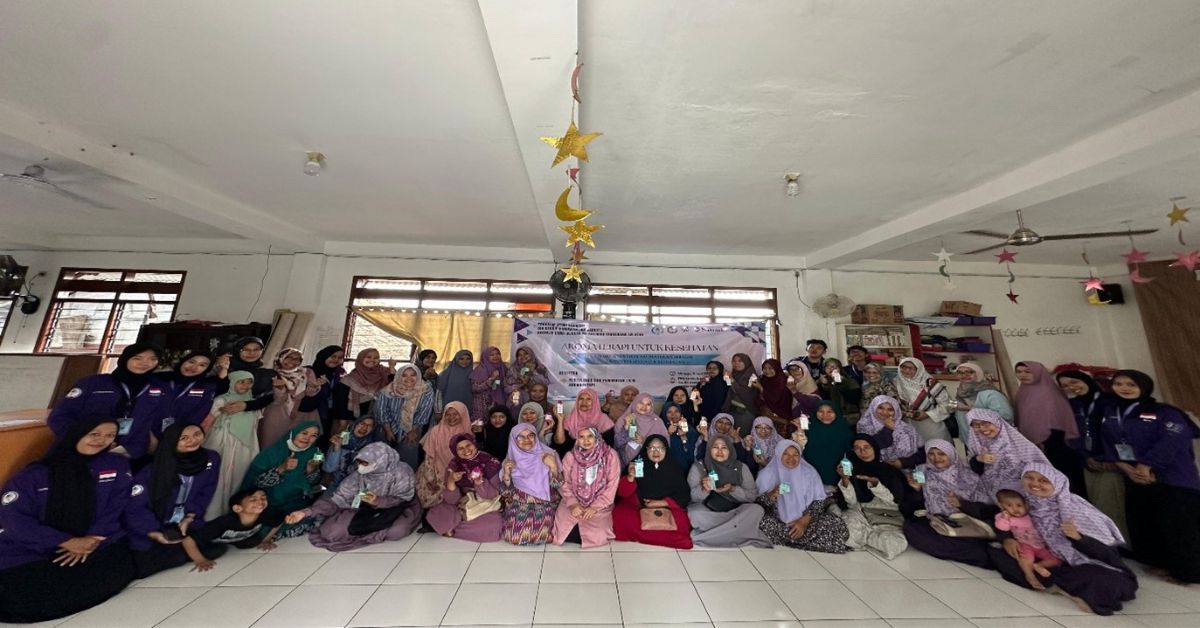
One example of this commitment was implemented by the Faculty of Health Sciences through its Pharmacy Study Program in collaboration with Persaudaraan Muslimah (SALIMAH) Tangerang Selatan. The community-engagement activity introduced local residents, particularly women and homemakers, to the production of aromatherapy candles.
Participants did not only receive theoretical information about aromatherapy. They were directly guided by lecturers and facilitators through the process of producing, packaging, and labelling aromatherapy candles until the products were ready for sale. The initiative was specifically designed to equip community members with practical skills that could be developed into small-scale business activities. By learning how to create a marketable product, participants gained an opportunity to increase household income while developing creativity and entrepreneurial capabilities.
This activity demonstrates how Syarif Hidayatullah State Islamic University Jakarta transforms academic knowledge into practical resources that can help local communities establish sustainable economic activities.

Mentoring Women-Led Micro and Small Enterprises
Entrepreneurship support is also provided through the Social Trust Fund of Syarif Hidayatullah State Islamic University Jakarta. Through an economic empowerment program for women entrepreneurs, the Social Trust Fund provided training and mentoring for women operating Micro, Small, and Medium Enterprises in several rural communities.
The program was designed as a multi-month development initiative rather than a one-time seminar. Participants received training related to online marketing, digital literacy, business development, networking, and access to business resources. The program covered communities in seven villages and combined online learning with direct offline mentoring.
This approach enables local entrepreneurs to receive continued assistance while applying new knowledge to their businesses. Mentoring also helps participants address practical challenges such as marketing, business administration, access to capital, and adaptation to digital markets.
Strengthening Local Businesses through Branding and Digitalisation
Syarif Hidayatullah State Islamic University Jakarta also supports local MSMEs through community-service and student-engagement programs. In Kedungweru Village, students participating in a collaborative Community Service Program worked with local government and business actors to strengthen the competitiveness of local MSMEs.
The program provided assistance in identifying business needs, developing brand identities, creating business names and logos, improving digital marketing, producing promotional content, and using social media more effectively. Importantly, the initiative was designed as a continuing mentoring process. The program included a structured roadmap consisting of needs identification, branding assistance, digitalisation, monitoring, and evaluation.
This approach ensures that community support does not end after a single training session. Instead, entrepreneurs are accompanied through several stages of business development so that they can gradually build the capacity to manage and promote their enterprises independently.
Providing Access to University Resources
Support for local businesses also includes access to physical resources and commercial spaces associated with the University.
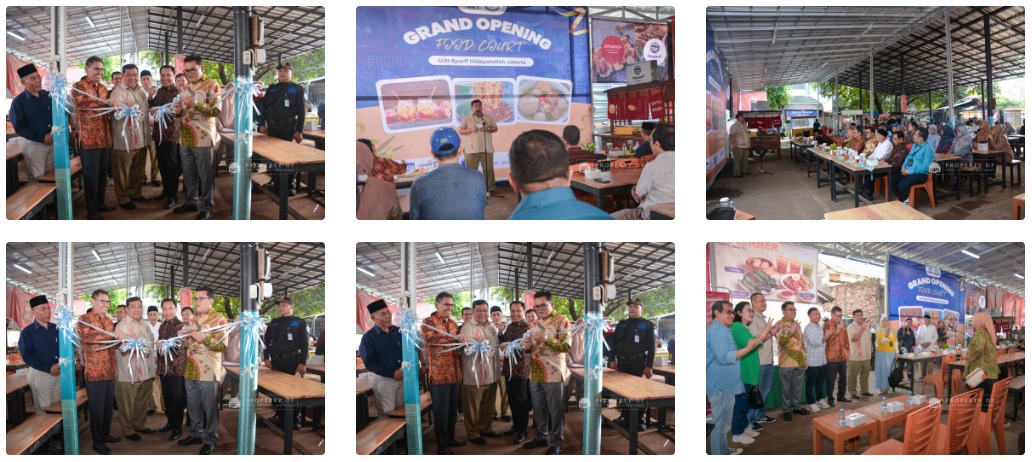
In 2025, Syarif Hidayatullah State Islamic University Jakarta officially opened a new food court as part of its commitment to empowering Micro, Small, and Medium Enterprises and strengthening the local economy. The facility accommodated 36 small-scale vendors, many of whom came from lower-middle-income economic backgrounds and operated small food-cart businesses. By providing space within a university-managed facility, the University creates direct economic opportunities for local traders while simultaneously integrating community businesses into the campus environment.
The initiative demonstrates that university support for entrepreneurship can extend beyond training and mentoring to include practical access to facilities and marketplaces where small businesses can operate and reach customers.
Entrepreneurship Education and Business Resilience
Syarif Hidayatullah State Islamic University Jakarta also promotes entrepreneurship knowledge and business resilience through academic and alumni-based learning activities. The Faculty of Social and Political Sciences organised the program “Survival Mindset for Entrepreneurs: Bertahan, Beradaptasi, dan Tumbuh di Tengah Krisis”, bringing entrepreneurial experience into an educational setting.
The program introduced participants to the realities of managing a business during uncertain economic conditions and emphasized the importance of adaptation, resilience, collaboration, and continuous learning. Although this activity primarily targeted students, it complements the University's broader entrepreneurship ecosystem by strengthening the knowledge and mindset required to establish and sustain businesses.
Entrepreneurship education within the University can therefore contribute to the development of future entrepreneurs who are better prepared to respond to economic change and create sustainable enterprises.
Building a Sustainable Local Entrepreneurship Ecosystem
Through these initiatives, Syarif Hidayatullah State Islamic University Jakarta provides multiple forms of support for local entrepreneurship.
The University's approach includes:
-
practical business and production training;
-
entrepreneurship education;
-
mentoring and business consultation;
-
branding and digital marketing support;
-
digital-literacy development;
-
assistance in improving market access;
-
collaboration with government and community organisations; and
-
access to university facilities and commercial spaces.
This combination enables the University to support entrepreneurs at different stages of business development, from acquiring initial skills and developing products to strengthening branding, entering digital markets, and accessing physical business opportunities. By integrating academic expertise, community engagement, student participation, institutional resources, and external partnerships, Syarif Hidayatullah State Islamic University Jakarta continues to contribute to the development of financially and socially sustainable local businesses.
These initiatives demonstrate the University's commitment to using education and institutional resources not only for academic purposes, but also to strengthen community economic resilience, encourage entrepreneurship, and support inclusive local development.

Source :
https://fikes.uinjkt.ac.id/id/pengabdian-kepada-masyarakat-dosen-farmasi-fikes-berkolaborasi-dengan-pd-salimah-tangerang-selatan-membuat-lilin-aromaterapi?
https://lp2m.uinjkt.ac.id/id/menumbuhkan-harapan-dari-desa-mahasiswa-kkn-uin-jakarta-dalam-kkn-kolaborasi-ptkin-122-kedungweru-perkuat-daya-saing-umkm-melalui-branding-dan-digitalisasi?
https://www.uinjkt.ac.id/index.php/id/dorong-pemberdayaan-umkm-dan-kreativitas-mahasiswa-foodcourt-uin-jakarta-resmi-dibuka?