
Monitoring Women's Access to Higher Education through Student Admissions Data and Gender-Disaggregated Reporting
Syarif Hidayatullah State Islamic University Jakarta supports gender equality in higher education through student admissions administration, institutional performance reporting, and the collection of student demographic information. The University recognises that monitoring access to higher education is an important foundation for understanding women's participation, identifying potential barriers, and promoting equal educational opportunities.
Through its digital admissions infrastructure, student registration processes, academic administration, and gender-focused institutional units, the University has established mechanisms that support the collection and analysis of information relevant to women's access to university education. During 2024–2025, the University's official publications documented student admission outcomes, year-on-year enrolment trends, and gender-disaggregated information within individual academic programmes. These activities provide evidence of institutional capacity to record student entry and examine women's participation in higher education.
1. Maintaining Digital Systems for Student Applications and Admissions
Syarif Hidayatullah State Islamic University Jakarta operates digital systems supporting prospective-student applications, admission administration, and academic records. The University's Public Information and Documentation Office (PPID) identified these platforms in its Electronic-Based Government System (SPBE) publication dated 7 October 2025.
The listed platforms include the University Admissions System, the New Student Admissions System, and E-Semesta. These systems provide an institutional foundation for organising applicant information, administering admission procedures, and managing student-related records. The University's published student-registration guidance also identifies gender as a demographic information field. The availability of structured registration information is important because gender-disaggregated analysis requires reliable records that distinguish female and male applicants or entrants.
Together, the admissions infrastructure and demographic registration procedures provide a foundation for tracking women's access to higher education.
2. Documenting Student Entry through Annual Institutional Reporting
The University also measures student admission outcomes through institutional performance reporting. The 2025 University Performance Report documents 9,319 new students in 2025, compared with 8,683 new students in 2024.
This represents an increase of 636 students, or approximately 7.32%, between the two reporting years. The figures demonstrate that the University maintains comparable annual records of new student intake and uses the information to evaluate institutional performance and educational participation. Annual reporting provides an important component of systematic monitoring, enabling the University to identify changes in student entry and assess the effectiveness of admission-related initiatives. For gender-specific monitoring, these institutional figures need to be disaggregated into female and male applicants, accepted candidates, and registered entrants.
3. Demonstrating Gender-Disaggregated Student Entry Reporting
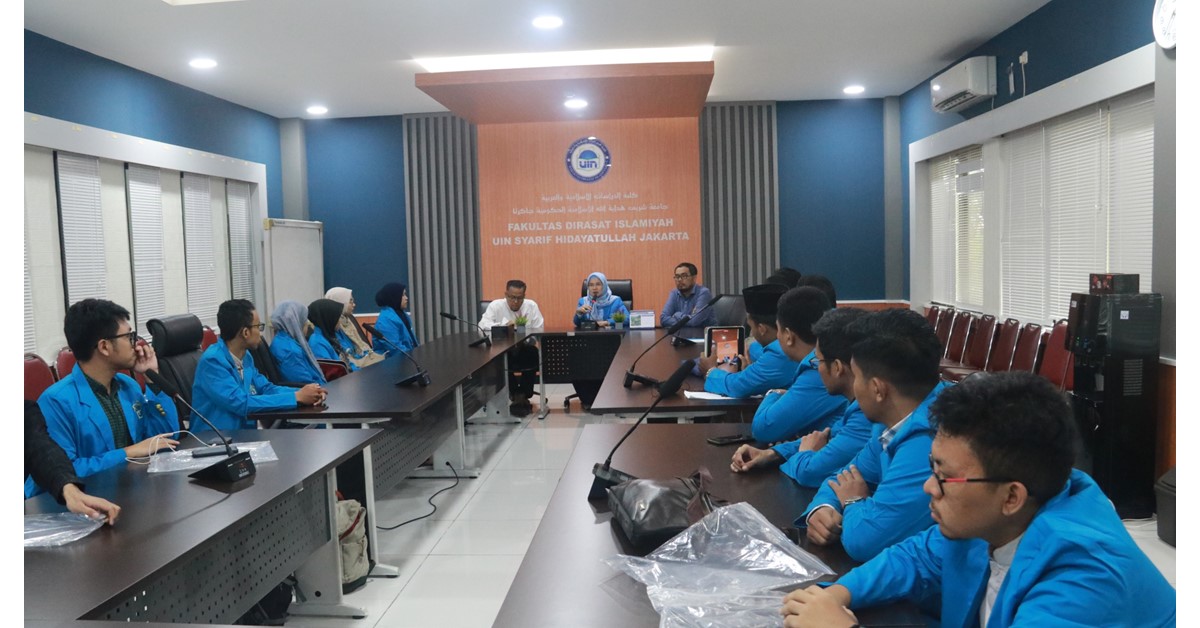
Gender-disaggregated reporting is also visible in official publications from individual faculties. On 15 April 2025, the Faculty of Dirasat Islamiyah documented the participation of 15 newly admitted master's students in its academic orientation programme.
The official report identified five female students and ten male students, demonstrating that student-entry information could be reported separately by gender at programme level. Women therefore accounted for approximately 33.3% of the new-student orientation participants in this particular master's programme. This example is significant because it demonstrates the availability of gender-specific entry information rather than reporting a combined student total alone. However, the figure describes a specific academic programme and should not be interpreted as the University-wide female admission or entry rate.
The example nevertheless provides practical evidence of gender-disaggregated reporting within the University's academic units.
4. Supporting Gender-Responsive Educational Governance
The University also recognises gender equality as an important principle in educational access. Its official admissions information for the SPAN-PTKIN pathway states that the national selection system is open to prospective students without discrimination based on sex, religion, race, ethnicity, social status, or economic circumstances.
This establishes an equal-opportunity principle within an important admission pathway used by the University. In addition, the University's institutional framework includes the Center for Gender and Child Studies, which supports gender-related research, awareness, and institutional initiatives. Within the University's SDG monitoring submissions, the Student Affairs and Gender and Child Studies units identify gender-related access monitoring as an institutional activity. These arrangements provide a basis for coordinating gender-related analysis with admissions administration and student data management.
5. Strengthening Evidence-Based Monitoring of Women's Participation
Monitoring women's access to higher education requires more than recording total student numbers. A comprehensive approach involves examining female representation throughout the admission process, including applications, selection outcomes, and actual entry.
Relevant indicators include the number of female applicants, the number of women offered admission, the number of women completing registration, and changes in these measures between academic years. Gender-disaggregated information can help institutions evaluate whether participation opportunities are equitable and whether particular academic programmes exhibit significant differences in female and male representation.
Syarif Hidayatullah State Islamic University Jakarta's digital admissions infrastructure, annual intake reporting, and faculty-level demographic publications provide identifiable components for such monitoring. To establish a fully documented University-wide tracking system, these components should be supported by consolidated annual admission statistics disaggregated by gender and a documented reporting or evaluation procedure.
6. Institutional Contribution to SDG 5: Gender Equality
Syarif Hidayatullah State Islamic University Jakarta has demonstrated several institutional measures relevant to monitoring women's access to higher education. The University operates digital admissions and registration systems, maintains annual records of new student intake, and publishes gender-disaggregated information within individual academic programmes.
These practices contribute to evidence-based educational governance by supporting the availability of information on student participation and university entry. The University's commitment to non-discriminatory admission and gender-responsive institutional development further supports its efforts to promote equitable educational opportunities. Together, these measures establish a foundation for tracking women's participation in higher education and strengthening gender-responsive admissions monitoring. Comprehensive University-wide data on female application, acceptance, and entry rates would provide further evidence of systematic monitoring and enable the University to demonstrate its contribution to Sustainable Development Goal 5 more directly.
Source :
https://ppid.uinjkt.ac.id/id/spbe-uin-jakarta
https://asset.uinjkt.ac.id/uploads/assets/pengumuman/Laporan_Kinerja_Universitas_2025___PUBLISH.pdf
https://fdi.uinjkt.ac.id/id/kenalkan-kultur-akademik-fdi-sambut-mahasiswa-baru-pascasarjana
https://marifa.uinjkt.ac.id/articles/daftar-ulang-mahasiswa
https://penerimaan.uinjkt.ac.id/id/span-ptkin