
Fusing Ecotheology With Digital AI Capabilities, UIN Jakarta Academic Vice Rector Urges Traditional Islamic Scholars to Lead Green Revolution
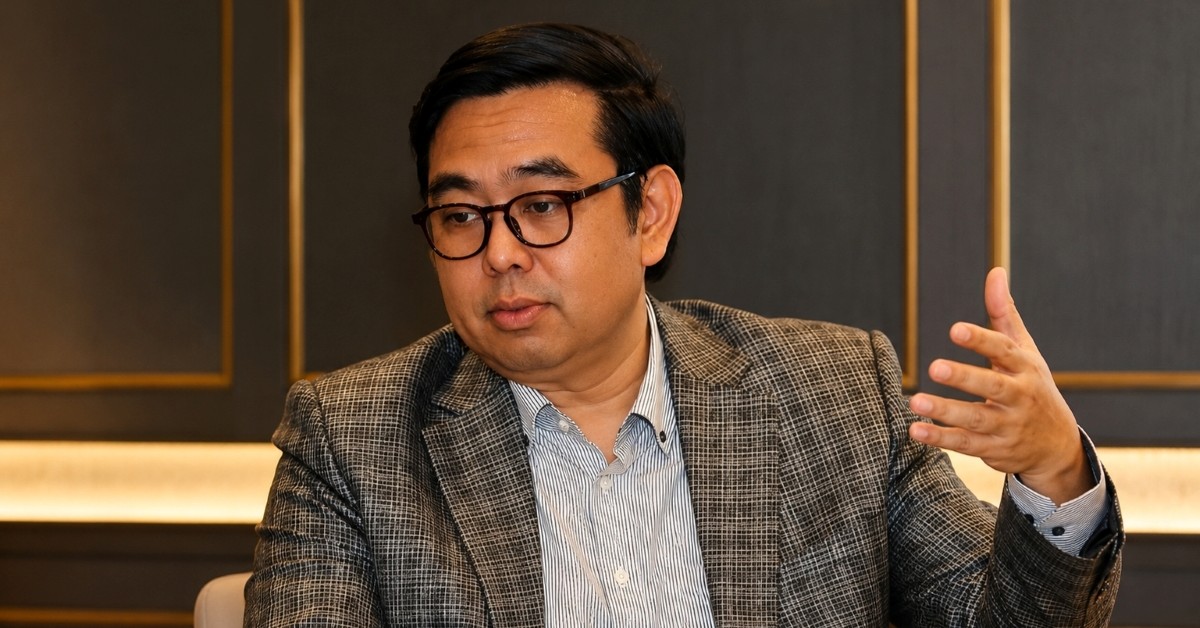
BOGOR, UIN Online News – Positioned at the intersection of spiritual ethics, digital innovation, and environmental stewardship, traditional Islamic scholars (santri) possess the moral and social capital required to drive global climate action. Addressing elite student leaders from Islamic boarding schools across Indonesia, Professor Ahmad Tholabi Kharlie, Vice Rector for Academic Affairs at UIN Syarif Hidayatullah Jakarta, advocated for the systemic deployment of Green Leadership rooted in Islamic ecotheology.
Delivered during the 2026 Leadership Training for Islamic Scholars organized by the Ministry of Religious Affairs in Talaga Cikeas on Tuesday, July 28, 2026, the address titled "Islamic Scholars as Agents of Change: From Ecotheology to Green Leadership" framed ecological preservation as a core religious mandate.
Addressing global challenges ranging from climate disruption and biodiversity loss to artificial intelligence governance, Professor Tholabi emphasized that superficial environmentalism is no longer sufficient.
"Green Leadership extends far beyond ceremonial tree-planting campaigns," Professor Tholabi declared. "It represents an executive leadership model that embeds environmental stewardship directly into acts of worship (ibadah), treating the Earth as a sacred divine trust (amanah) that demands active moral protection."
Professor Tholabi highlighted that daily life within traditional Islamic boarding schools (pesantren) is characterized by communal living, discipline, resilience, and empathy. It provides an ideal incubator for cultivating essential 21st-century leadership traits, including emotional regulation, collaborative governance, and ethical integrity.
Outlining the future profile of Islamic scholars, Professor Tholabi urged participants to bridge two distinct civilizational paradigms: classical text scholarship (peradaban kitab) and digital technology (peradaban digital).
"Religious wisdom provides strategic direction, while technology provides operational scale," Professor Tholabi noted. "Ethics deliver critical oversight, while innovation drives speed. The future does not force a choice between classical texts or artificial intelligence: it demands the seamless integration of both."
To operationalize this vision, he urged young scholars to implement immediate, measurable ecological practices within their respective boarding schools, including plastic reduction, water conservation, energy auditing, and local waste management systems.
By empowering traditional Islamic scholars to master digital tools while championing environmental ethics, UIN Jakarta and the Ministry of Religious Affairs demonstrate how faith-based communities can serve as powerful, proactive leaders in the global movement for climate resilience and sustainable development.
(Aida/Zaenal/Arifin)