Expanding Lifelong Learning Opportunities through Free Public Access to Educational Resources and University Facilities
Syarif Hidayatullah State Islamic University Jakarta demonstrates its commitment to Sustainable Development Goal 4: Quality Education by providing educational resources, university facilities, digital learning materials, and free learning opportunities for individuals beyond its formally enrolled student population. The University recognises that access to knowledge should extend beyond degree programmes and that lifelong learning is essential for personal development, professional improvement, digital literacy, and community empowerment.
Through public-access library services, educational facilities, digital academic resources, and non-degree learning programmes, the University creates opportunities for members of the wider community to continue learning regardless of whether they are currently studying at the institution. During 2024–2025, Syarif Hidayatullah State Islamic University Jakarta implemented initiatives providing free public access to selected campus facilities and educational resources, alongside publicly accessible online learning materials and free certificate-bearing educational activities. These programmes demonstrate the University's commitment to making academic resources and learning opportunities available beyond conventional higher education.
1. Providing Free Public Access to Campus Facilities and Learning Resources
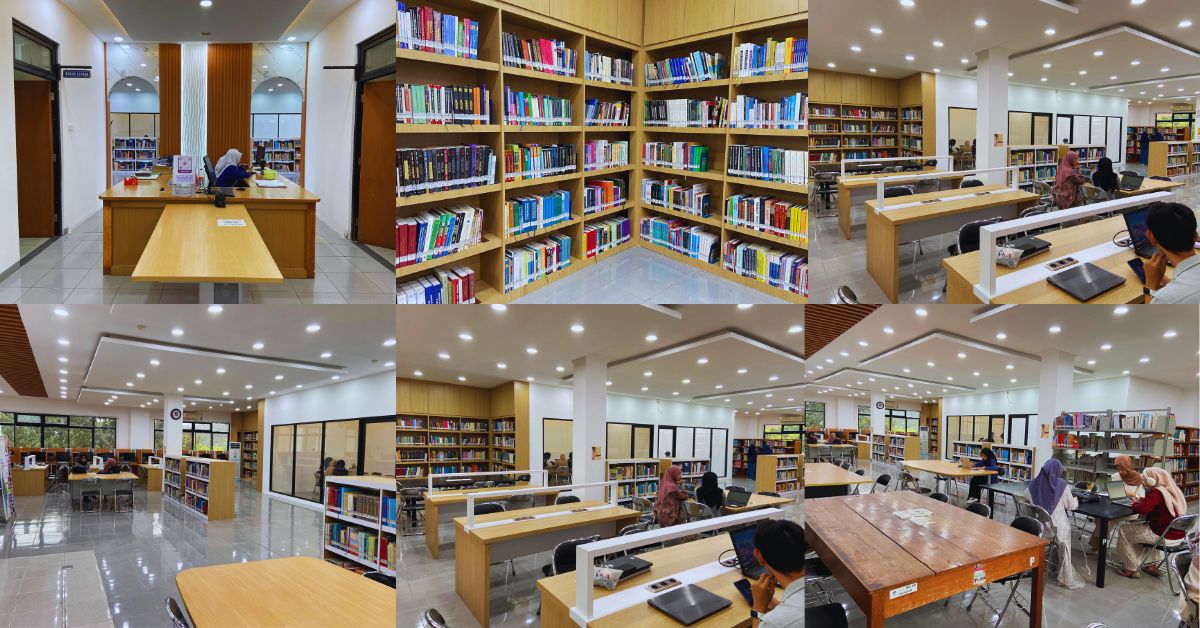
Syarif Hidayatullah State Islamic University Jakarta expands educational opportunities by enabling members of the public to access selected university facilities without payment. A documented example was implemented by the Faculty of Psychology in April 2025, when faculty-managed facilities were made available to the wider community.
The initiative included access to the Faculty of Psychology Library, university-managed outdoor areas, and spaces used for public activities. The Faculty's library was opened to individuals seeking information and educational references related to psychology, enabling community members who were not enrolled at the University to consult academic materials. The initiative also made faculty spaces available for activities connecting learning with public well-being and professional development. The faculty parking area was used for Run for Mental Health, a community physical-activity initiative, while another campus area supported Job Fair 2025, providing access to career-related information and opportunities. The Faculty explicitly confirmed that these public-access activities were provided without charging participants or visitors. The programme demonstrated how university infrastructure can serve broader community needs rather than functioning exclusively as facilities for degree-seeking students.
Public Access to the Faculty of Psychology Library
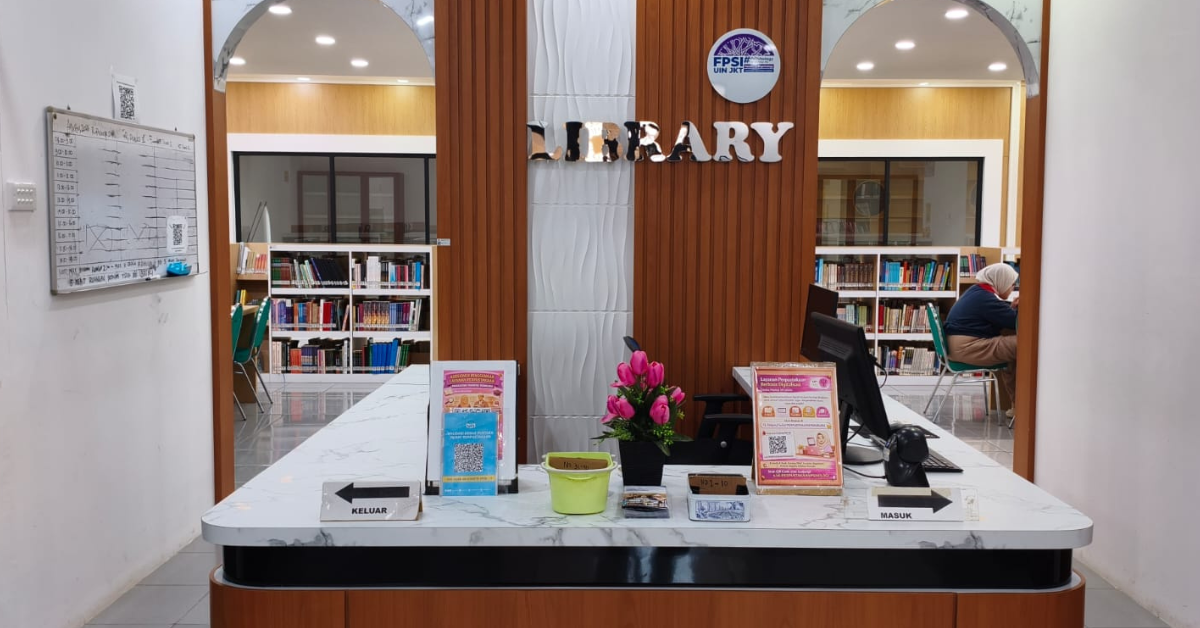
The Faculty of Psychology Library provides an important example of accessible academic infrastructure. Its published regulations include specific provisions for visitors who are not affiliated with Syarif Hidayatullah State Islamic University Jakarta.
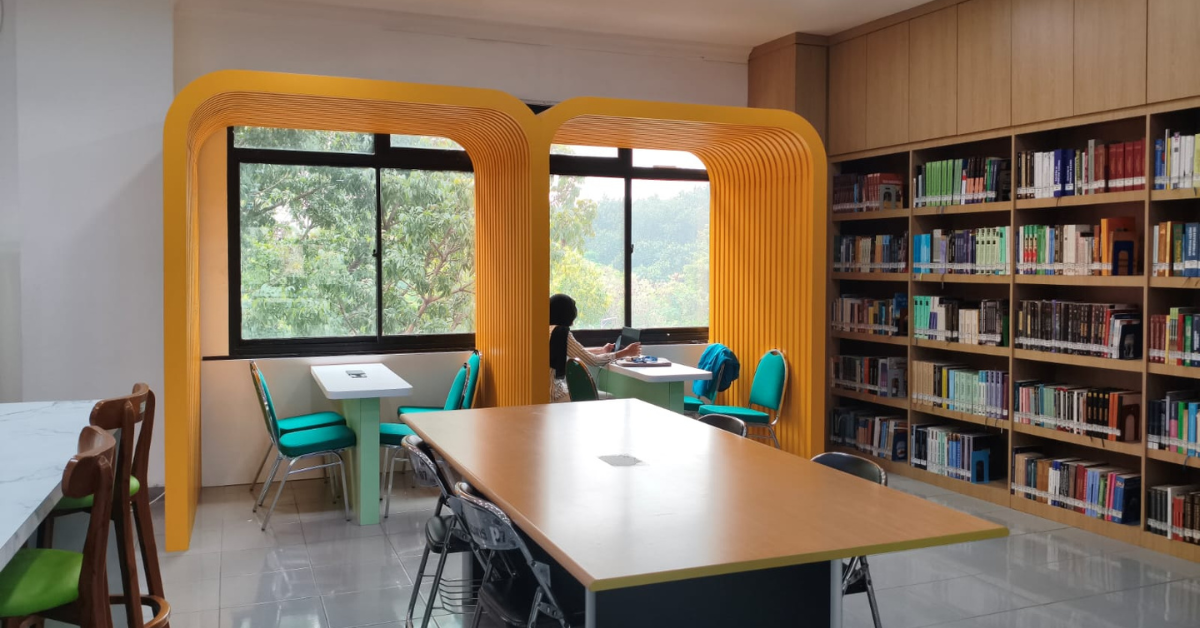
External visitors may access the library by presenting identification and complying with applicable visitor procedures. They may consult books, journals, encyclopedias, undergraduate theses, and other academic references within the library. The library also provides reading spaces, reference services, catalogue-search facilities, and academic information resources that support independent learning. Through these arrangements, individuals who are not enrolled at the University can access a structured academic environment and benefit from university-managed educational materials. The Faculty of Psychology's documented public-access initiative demonstrates that Syarif Hidayatullah State Islamic University Jakarta has implemented free access to selected university facilities and educational resources for the wider community.
2. Providing Digital Educational Resources and Online Learning Access

The University also supports lifelong learning by developing digital systems that make academic information and educational materials more accessible. One of the University's principal initiatives is the Touch & Go Mobile Library, officially introduced by the University Library during 2024. The platform was developed to improve access to digital collections and support learning outside the physical library environment.
It offers digital search and reading functions, including access to electronic books, scholarly journals, academic publications, theses, dissertations, and other educational materials, subject to applicable account and licensing conditions. Users can search available collections, identify academic references, and interact with digital library services through mobile or computer-based interfaces. The introduction of the service in February 2024, followed by further library outreach and digital-literacy promotion, demonstrates the University's effort to reduce geographical and practical barriers to educational resources.
Open Academic Information and Research Resources
Alongside its digital library services, Syarif Hidayatullah State Islamic University Jakarta provides publicly accessible academic discovery resources through its institutional repository and online library catalogue. The University's institutional repository makes research information and eligible research publications discoverable online, supporting independent study and public access to academic knowledge.
The online public-access catalogue helps users identify available books, research materials, and reference collections without needing to begin a formal university degree. These resources are particularly relevant to teachers, researchers, school students, alumni, and community members seeking academic information. By making learning resources available through digital platforms, the University broadens opportunities for educational engagement beyond campus-based teaching. Through its digital library development, institutional repository, and online academic discovery services, Syarif Hidayatullah State Islamic University Jakarta has implemented digital mechanisms that support continued access to educational knowledge beyond formal enrolment.
3. Providing Free Educational Courses with Certificates for the General Public

Syarif Hidayatullah State Islamic University Jakarta also supports lifelong learning through non-degree educational programmes that allow members of the public to develop practical skills and receive certificates of participation. An example is KEDAI (Kelas Desain) 2025, organised through collaboration among student organisations from the Faculty of Ushuluddin, Faculty of Da'wah and Communication Sciences, and Faculty of Science and Technology.
The training was scheduled for 20 August 2025 and promoted through the University's official website. Under the theme “Meaningful Design: Elegant Design, Impressive in Message,” the programme introduced practical graphic-design skills relevant to digital communication and creative content development. The session was delivered online by Aprionawan Sakti, a professional design mentor. The learning activity was designed to help participants understand practical design techniques and develop creative skills applicable to communication and digital media.
Importantly, the University explicitly advertised the programme as free and open to the general public, rather than restricting participation to current students. Participants were also offered electronic certificates and digital learning materials. The programme therefore provides a documented example of free, non-degree, certificate-bearing educational provision accessible to individuals outside the University.
Additional Free Professional and Academic Learning Opportunities

The University's commitment to free learning opportunities was further reflected in other educational activities organised during 2024–2025. In October 2024, the University's Tax Center, in cooperation with Indonesia's Directorate General of Taxes, advertised a free public webinar explaining changes in national taxation policy, including implications of proposed value-added tax adjustments.
The webinar was open to the general public and included free electronic certificates. In May 2025, the Master of Information Technology programme at the Faculty of Science and Technology organised a national webinar on systematic literature reviews, inviting academics, students, and practitioners from multiple institutions. The programme was promoted as free of charge and included electronic certificates for participants. These initiatives demonstrate that free learning opportunities were made available across several academic disciplines, including creative design, taxation, and research methodology. Through publicly accessible educational programmes such as KEDAI 2025 and other free certificate-bearing webinars, Syarif Hidayatullah State Islamic University Jakarta has provided learning opportunities that allow individuals beyond the student population to develop knowledge and skills without tuition fees.
4. Supporting Lifelong Learning beyond Formal University Enrolment
Syarif Hidayatullah State Islamic University Jakarta's approach to public educational access recognises that learning continues throughout an individual's life. Teachers may need to update their teaching methods, workers may require new digital and professional skills, school students may seek access to academic references, and members of the public may wish to explore subjects outside formal university programmes.
The University responds to these needs through different forms of educational provision. Physical educational resources enable public visitors to consult academic references and benefit from selected university facilities. Digital academic resources improve the discoverability and accessibility of scholarly information outside conventional classroom settings. Free educational programmes provide opportunities to acquire practical knowledge through online and campus-based activities.
Certificate-bearing learning activities help participants document their engagement in professional development and non-degree education. The combination of these mechanisms supports more inclusive participation in education and reinforces the idea that knowledge should remain accessible throughout life.
5. Removing Financial and Institutional Barriers to Education
Educational opportunities are often restricted by financial costs, geographical limitations, formal admission requirements, or lack of access to suitable learning materials. Syarif Hidayatullah State Islamic University Jakarta addresses several of these barriers by making selected learning opportunities available without requiring participants to enrol in a degree programme.
The Faculty of Psychology's 2025 initiative demonstrated public access to selected campus facilities and library resources without admission fees. Digital academic resources provide additional options for discovering educational materials remotely. Free non-degree programmes such as KEDAI 2025 allow participants to acquire relevant practical skills while receiving educational materials and opportunities for certification. These initiatives expand the reach of university knowledge and infrastructure to members of the surrounding community and wider public. They also demonstrate that educational outreach can take several forms, from independent reading and digital research to practical training and structured learning activities.
6. Integrating Academic Resources, Community Access, and Continuing Education

The University's public-resource initiatives demonstrate a coordinated commitment to sharing educational benefits beyond its enrolled student population. The Faculty of Psychology provides a documented example of community access to physical learning facilities. The University Library expands access to academic knowledge through digital services and online discovery tools.
Academic departments and student organisations provide free educational programmes covering practical and professional skills. Together, these activities connect university-managed facilities, academic expertise, digital resources, and community participation. This combination is central to the concept of lifelong learning because it creates multiple opportunities for individuals to continue acquiring knowledge independently of formal educational status.
7. Institutional Contribution to SDG 4: Quality Education
Syarif Hidayatullah State Islamic University Jakarta has implemented public educational-resource initiatives that support learning beyond degree programmes and formal student enrolment. The University's activities during 2024–2025 demonstrate three principal forms of public educational access.
First, the Faculty of Psychology provided free access to selected university facilities and academic resources, including library services for external visitors. Second, the University continued developing digital academic infrastructure through the Touch & Go Mobile Library, institutional repository, and online library services. Third, University academic and student organisations offered free educational activities for the wider public, including certificate-bearing programmes in practical and professional subject areas. Through these initiatives, Syarif Hidayatullah State Islamic University Jakarta has implemented lifelong-learning opportunities that extend educational resources beyond its formally enrolled students, including free access to selected campus learning facilities, publicly accessible digital educational resources, and free non-degree learning activities offering certificates.
By opening academic resources to the public and supporting accessible continuing education, the University contributes to greater educational inclusion, professional development, community empowerment, and Sustainable Development Goal 4: Quality Education.
Source :
https://fpsi.uinjkt.ac.id/id/kampus-bukan-cuma-untuk-mahasiswa-fakultas-psikologi-buka-fasilitas-gratis-bagi-publik
https://fpsi.uinjkt.ac.id/id/perpustakaan
https://perpus.uinjkt.ac.id/id/touch-go-mobile-library
https://uinjkt.ac.id/id/kedai-kelas-desain-2025
https://www.fst.uinjkt.ac.id/id/webinar-nasional-mti-fst-uin-jakarta