
Energy wastage identification Undergo energy reviews to identify areas where energy waste is highest
Syarif Hidayatullah State Islamic University (UIN) Jakarta has further solidified its commitment to becoming a sustainable campus. According to the latest data from 2026, the average percentage of energy-efficient electronic appliances used across all campus facilities has reached an impressive 86.1%. This achievement is a concrete step in implementing the Rector's Decree No. 1415 of 2024 concerning the Green Campus Policy and the Rector's Circular Letter No. 21 of 2024 on Energy Management. The Syarif Hidayatullah State Islamic University Jakarta Green Campus Development Center, established under Rector's Decree No. 198 of 2025, serves as the main driving force in monitoring this infrastructure transition.
Eco-Friendly Lighting and Cooling
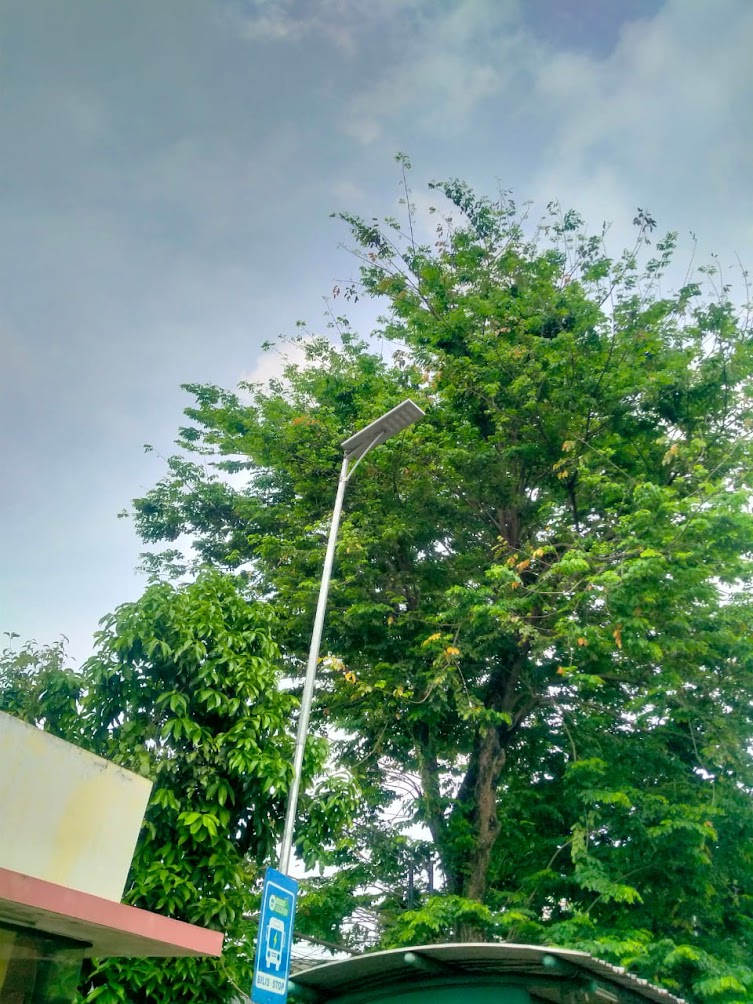
The 2026 appliance inventory data shows a significant improvement in the efficiency of key facilities. A total of 12,290 LED lamps (100%) now illuminate various lecture halls, laboratories, and administrative offices, replacing conventional lighting systems. This is an increase from the 12,250 units recorded in 2025. In outdoor areas, Syarif Hidayatullah State Islamic University Jakarta also operates 396 solar-powered streetlights. This initiative directly reduces the campus's reliance on the PLN electricity grid and strengthens its contribution to renewable energy use.
In the air conditioning sector, which typically consumes the most electricity, the campus continues its modernization efforts. Out of the 2,048 Air Conditioner (AC) units installed, 1,568 units (76.6%) utilize inverter technology. These inverter ACs operate smarter by adjusting compressor power according to the room's cooling needs, making them much more energy-efficient than standard ACs.
Efficiency of Electronic Work Equipment
The commitment to efficiency extends beyond building infrastructure to the daily work tools of the academic community. Campus policy now strongly encourages the use of low-power, Energy Star-certified devices. For example, out of 195 laptops recorded, 80% (156 units) are energy-efficient devices. Meanwhile, for desktop computers (PCs), 60% (336 out of 560 units) meet electricity efficiency standards. Even all water dispensers (96 units) in the campus area use 100% low-power types. Overall, the average usage of energy-efficient electronic appliances increased from 85.6% in 2025 to 86.1% in 2026.
Behavioral Transformation and Green Architecture
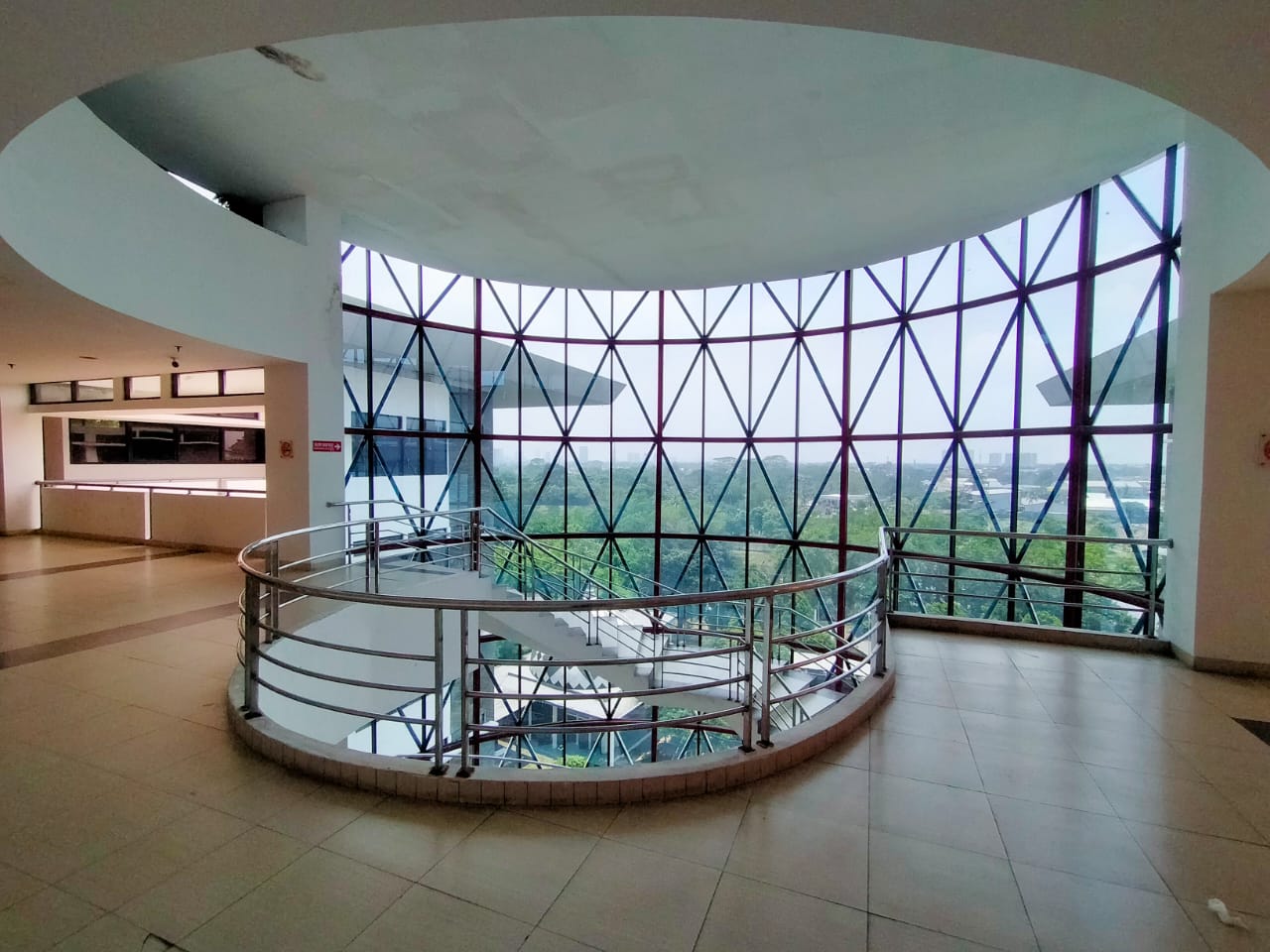
In addition to replacing hardware, Syarif Hidayatullah State Islamic University Jakarta is also actively pursuing architectural engineering and behavioral change campaigns. The Faculty of Social and Political Sciences (FISIP) building, for instance, utilizes roof and glass window architecture that optimizes natural light. This minimizes the need for electric lighting during the day. In various strategic locations such as hallways, meeting rooms, and restrooms, automatic motion sensors have also been installed to ensure lights only turn on when human activity is detected, minimizing energy waste.
Through the Rector's Circular Letter No. 10 of 2026, the rectorate also urges the academic community to use stairs instead of elevators, maintain AC temperatures, and actively turn off lights and electronic devices when not in use. Environmental campaign posters and banners with messages such as "Every 'OFF' button pressed is a small form of responsibility towards the earth" also adorn various points around the campus. All of these tactical and strategic steps are expected to continuously boost Syarif Hidayatullah State Islamic University Jakarta's ranking in the UI GreenMetric World University Ranking, specifically in the Energy and Climate Change indicators, while creating a smart, sustainable campus ecosystem for the future.
https://www.instagram.com/reel/DCcx600ipkx/?utm_source=ig_web_copy_link&mdxt=NTc4MTIwNjQ2YQ==