
Durham University Professor Discusses Sharia and Sustainability at FEB UIN Jakarta
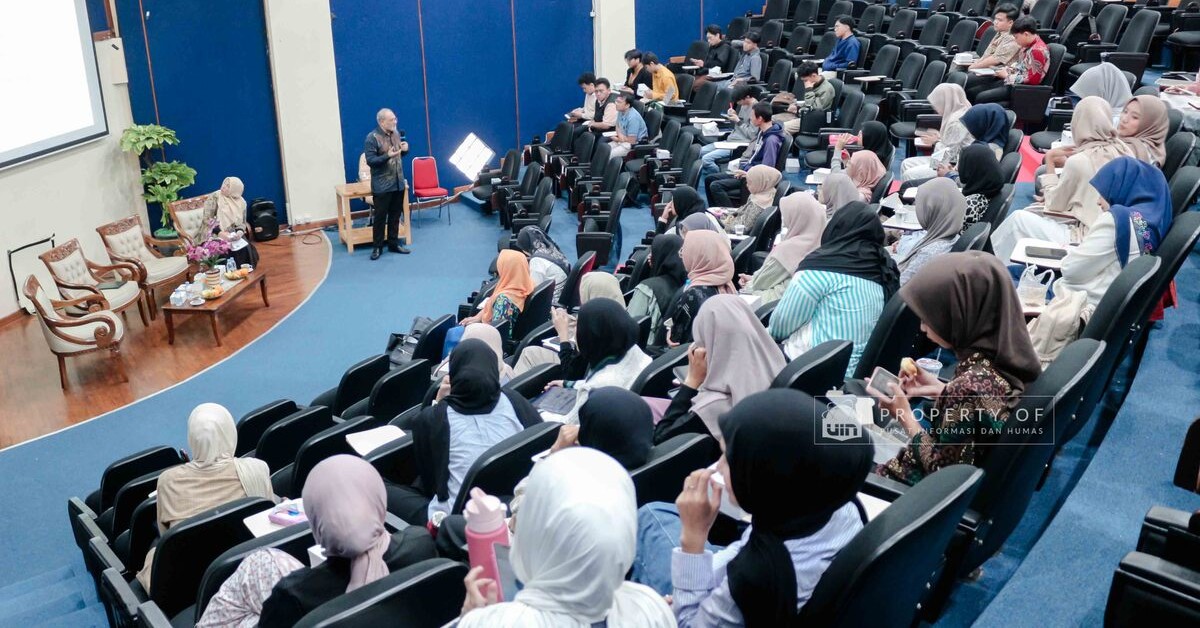
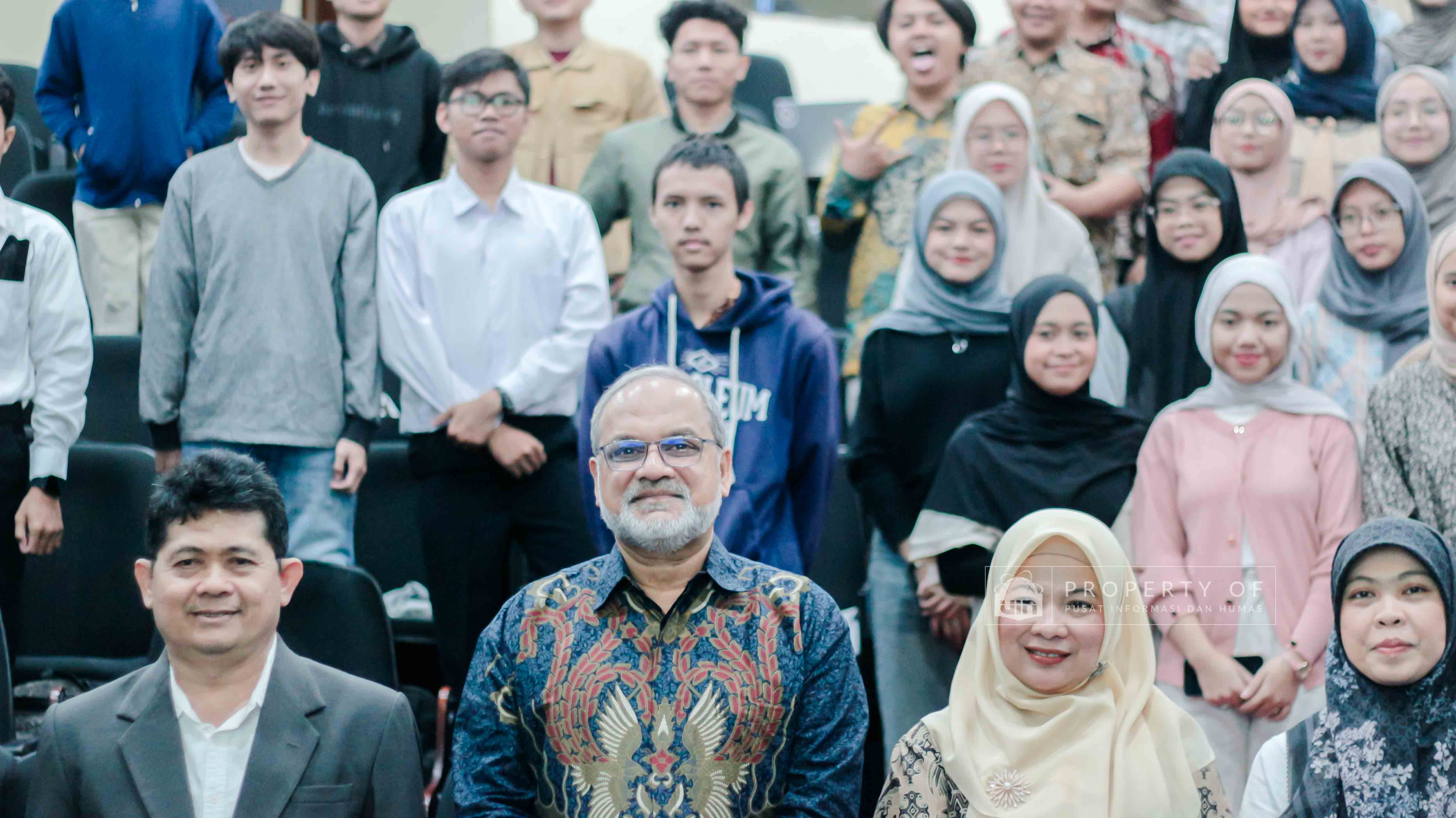
Theater 2nd Floor, Faculty of Economics and Business, UIN Online News – The Faculty of Economics and Business (FEB) of Syarif Hidayatullah State Islamic University (UIN) Jakarta hosted a Visiting Professor session with the Head of Sharjah Islamic Law and Finance at Durham University Bussines School, Professor Habib Ahmed (8/12/2025).
The public lecture was divided into two sessions with two different themes: “Social Inclusion and Islamic Finance: Organizational Formats, Products, Outreach, and Sustainability Comparative Learning in Islamic Countries” and “Islamic Economic Systems and Sustainable Development: Islamic Capitalism Versus Insanism (Islamic Humanism).”
The event was attended by the Dean of the Faculty of Economics and Business at UIN Jakarta, Prof. Dr. Ibnu Qizam, SE., M.SI., AK., CA. In his remarks, the Dean of FEB UIN Jakarta conveyed that many economic theories have now been combined with Islamic values.
"Today we have many remarkable theories, from conventional ones like the very famous and popular agency theory, which has seen several advancements to this day, not only from a social perspective but also from Islamic values. We also have many theories on how to analyze economics and finance combined with Islamic values. For example, institutional theory, which incorporates agency theory with a combination of principles and agents," he explained.
He also explained the Sharia-based economic framework, which is the largest theoretical framework from an Islamic perspective based on the Quran and can be a reference for all theories.
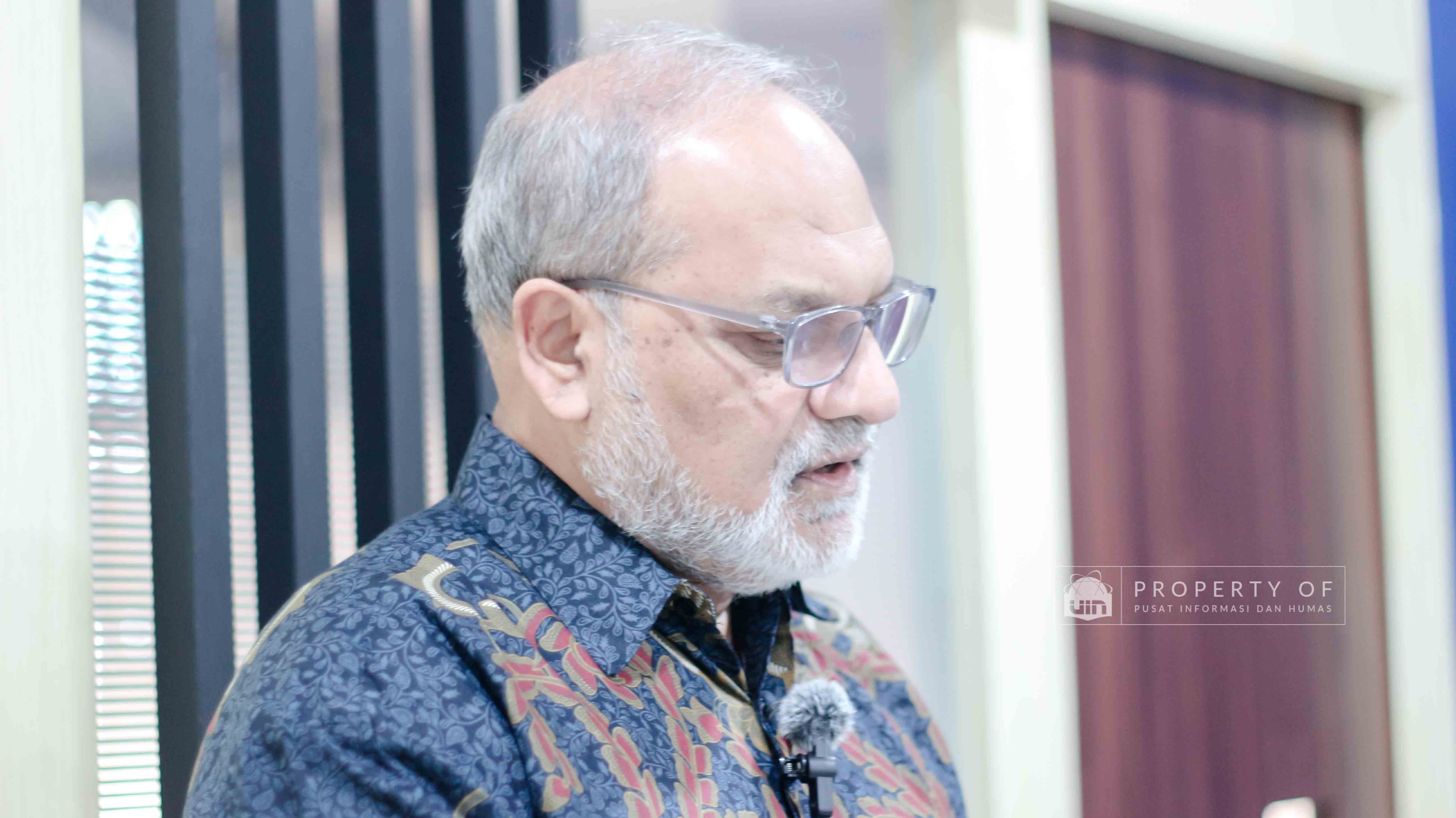
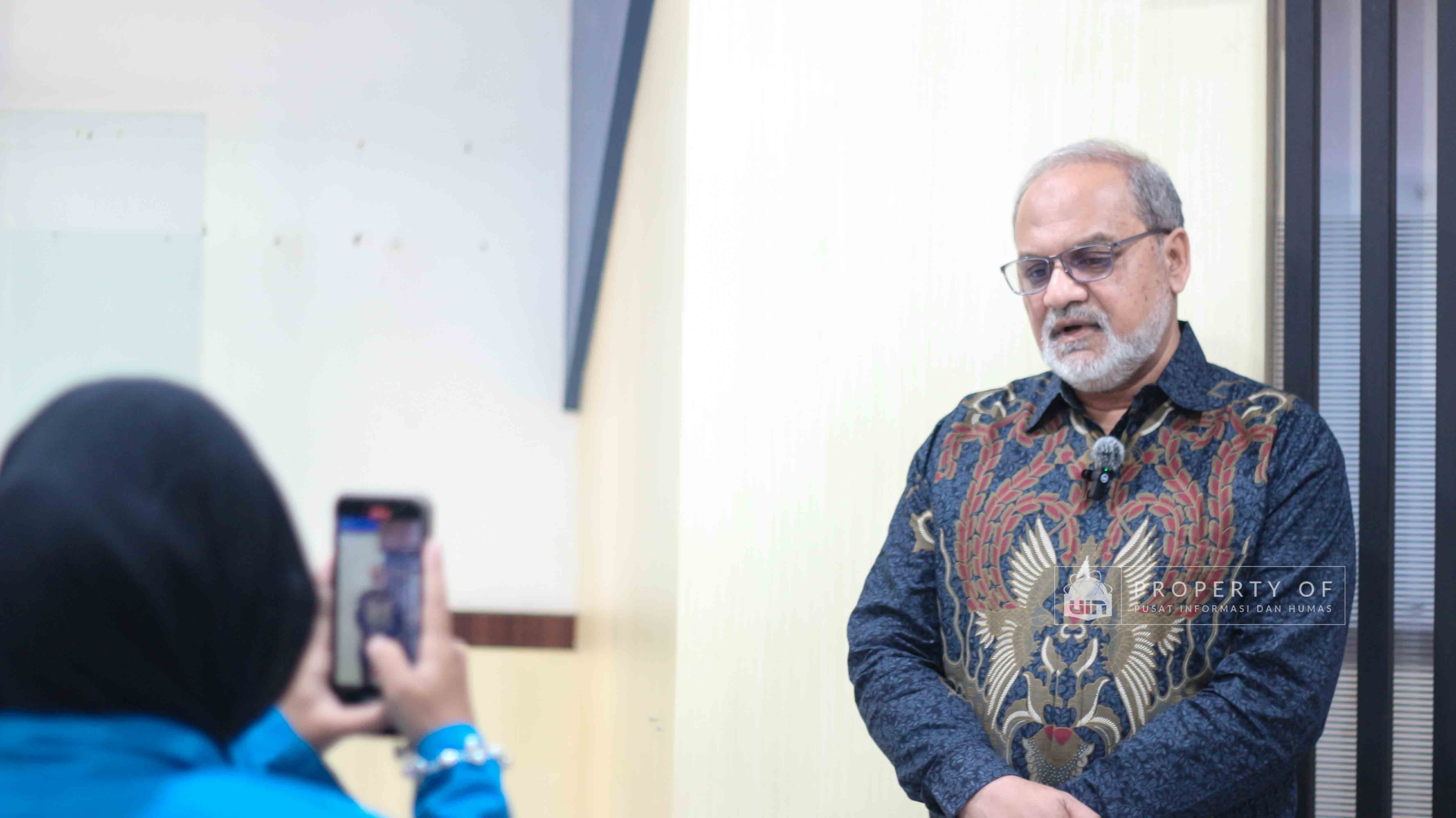
The event continued with a public lecture by Professor Habib Ahmed. He conveyed that the microfinance system currently implemented burdens low-income community groups. He explained that globally, microfinance service costs tend to be higher and unfair to poor community groups, even though the initial goal of microfinance was to enhance financial inclusion.
"Unfortunately, the price or cost of microfinance services ends up being unreachable for the poor," he stated.
Furthermore, he also emphasized that the direction of Islamic economic development is highly determined by how the Sharia system is understood.
"If the Sharia system is understood merely as technical rules, then the resulting Islamic economic system becomes narrow and less oriented towards the welfare of the people. However, if the Sharia system is interpreted more broadly, encompassing all values and objectives of the Maqashid Shariah, Islamic economics can develop into a more just and sustainable system," he concluded.
(Hilya Hafiza S./Fauziyah M./Zaenal M./Syandana Mazna Aisyah/Photo: Thalita Zhafirah)