Protecting Aquatic Ecosystems through Water Discharge Standards and Wastewater Management
Syarif Hidayatullah State Islamic University Jakarta is committed to protecting water quality and aquatic ecosystems through institutional wastewater-management policies, wastewater treatment infrastructure, water-quality safeguards, and responsible water reuse.
The University recognises that untreated domestic and laboratory wastewater can introduce pollutants into drainage systems, groundwater, rivers, ponds, and other aquatic environments. Such pollution may affect aquatic organisms, biodiversity, environmental health, and surrounding communities. During 2024–2025, UIN Jakarta strengthened its institutional framework for wastewater management through formal Rector's regulations, Green Campus policies, wastewater treatment facilities, and environmental-management practices.
These measures contribute to Sustainable Development Goal 14: Life Below Water, particularly Indicator 14.4.1 concerning water-quality standards and guidelines for water discharge.
1. Establishing Formal Guidelines for Wastewater Discharge
On 21 October 2024, Syarif Hidayatullah State Islamic University Jakarta issued Rector's Circular Letter Number 18 of 2024 concerning Wastewater Management. The Circular Letter was established as part of the implementation of Rector's Decree Number 1415 of 2024 concerning the Green Campus Policy.
It provides institutional guidance for managing wastewater generated through campus activities, including domestic wastewater and wastewater associated with laboratory operations. The policy directs University units to treat polluted water, reduce the harmful impacts of wastewater, and prevent contamination of the surrounding environment.
It also recognises the importance of protecting plant life and aquatic environments from pollution. Through this regulation, wastewater management became a formal institutional responsibility rather than solely an operational activity undertaken by individual campus units.
2. Preventing the Release of Untreated Wastewater
The University's wastewater policy promotes treatment before wastewater is released or reused. Wastewater generated through laboratories, sanitation facilities, and other University activities can contain physical, chemical, or biological contaminants.
If discharged without appropriate treatment, these substances may enter drainage systems and eventually affect aquatic environments.Rector's Circular Letter Number 18 of 2024 therefore encourages filtration, treatment, pollutant, and the development of wastewater treatment installations.
These measures provide an institutional foundation for reducing the risk of contaminated water entering the environment. By prioritising wastewater treatment before discharge, UIN Jakarta supports the protection of aquatic ecosystems and environmental health.
3. Operating Wastewater Treatment Infrastructure
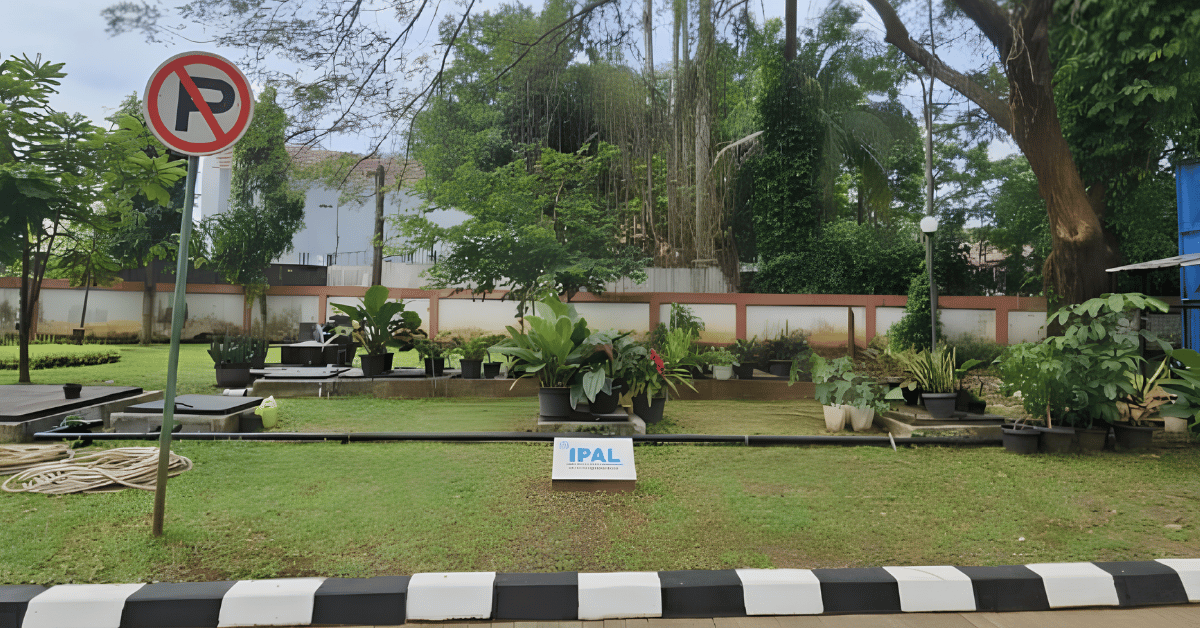
UIN Jakarta operates wastewater treatment infrastructure known as Instalasi Pengolahan Air Limbah (IPAL). The facilities are designed to treat wastewater generated from University operations before it is discharged or considered for reuse.
The University's Faculty of Science and Technology, through its Integrated Laboratory Centre, also maintains wastewater-treatment infrastructure associated with laboratory activities. Laboratory wastewater requires particular attention because it may contain chemical substances or other contaminants that could adversely affect water quality.
The operation of wastewater treatment infrastructure demonstrates the practical implementation of the University's institutional wastewater-management policy.
4. Maintaining Wastewater Treatment Facilities
Wastewater treatment systems require regular inspection and maintenance to remain effective.
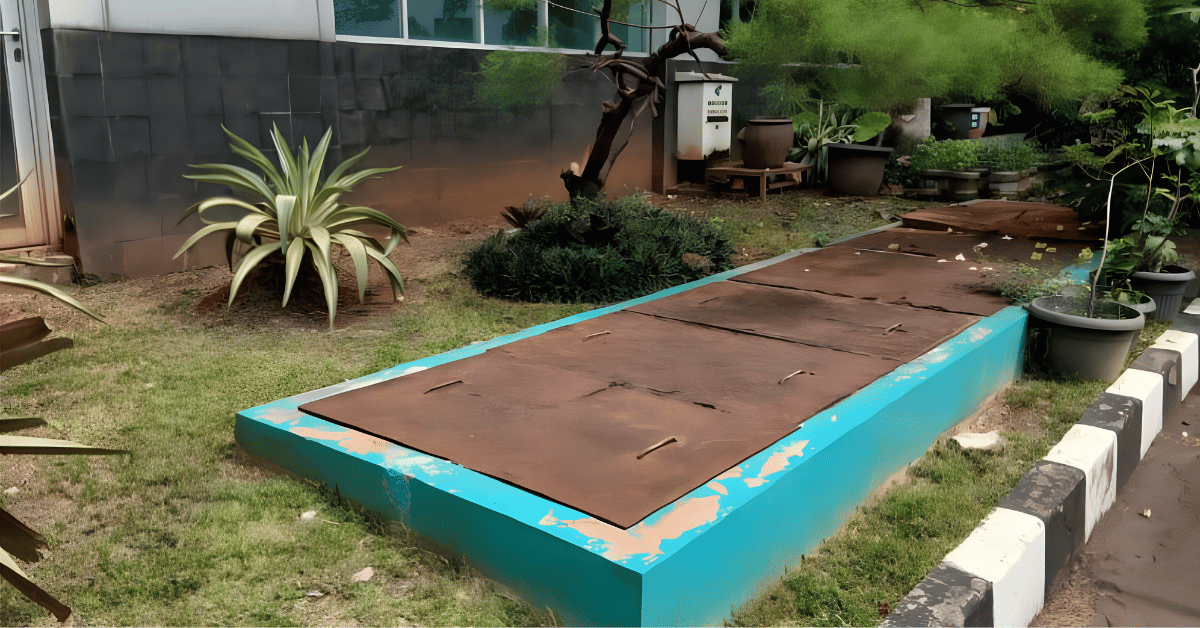
In August 2025, the Integrated Laboratory Centre of the Faculty of Science and Technology documented maintenance activities involving its wastewater-treatment installation.
The programme included inspection of treatment tanks, pumps, piping systems, and related components.
Maintenance activities help reduce the risk of system failure and uncontrolled wastewater release.
They also support the continued effectiveness of wastewater treatment prior to discharge.
The University's documented maintenance activities demonstrate that its wastewater-management framework includes both policy and operational implementation.
5. Protecting Aquatic Life and Water Quality
Water-discharge management is directly relevant to the protection of aquatic ecosystems.
Pollutants entering water bodies can alter water chemistry, reduce dissolved oxygen, harm aquatic organisms, and affect the ecological balance of freshwater and downstream environments.
UIN Jakarta's wastewater-management policy explicitly recognises environmental protection as one of the objectives of wastewater treatment.
The Circular Letter refers to reducing harmful impacts and protecting life in soil and water environments.
These provisions demonstrate a direct connection between campus wastewater management and biodiversity protection.
Although the University is located inland, wastewater that enters drainage networks and surface-water systems can ultimately affect wider aquatic environments.
Preventing pollution at its source therefore contributes to the broader objectives of SDG 14.
6. Supporting Responsible Water Reuse
UIN Jakarta also promotes the responsible reuse of treated wastewater.
Rector's Circular Letter Number 22 of 2024 concerning Water Management supports water conservation, improvement of surface-water quality, rainwater harvesting, infiltration infrastructure, and appropriate reuse of treated domestic wastewater.
Potential non-potable applications include landscape irrigation, vehicle washing, and toilet flushing.
Responsible reuse can reduce the volume of treated wastewater requiring discharge while also reducing demand for freshwater.
However, wastewater should only be reused when its quality is appropriate for its intended purpose.
This principle connects water conservation with environmental protection and responsible wastewater management.
7. Applying National Water-Quality Standards
The University's wastewater-management framework operates within Indonesia's national environmental regulations.
During the 2024 reporting period, Minister of Environment and Forestry Regulation Number P.68 of 2016 provided national quality standards for domestic wastewater.
The regulatory framework was subsequently updated through Minister of Environment/Environmental Control Agency Regulation Number 11 of 2025.
Relevant wastewater-quality indicators can include parameters such as pH, Biological Oxygen Demand, Chemical Oxygen Demand, Total Suspended Solids, ammonia, and other parameters specified for the applicable wastewater category.
These standards provide technical reference points for assessing wastewater quality before environmental discharge.
UIN Jakarta's institutional wastewater policy and treatment infrastructure provide mechanisms for supporting compliance with applicable environmental requirements.
8. Strengthening Water-Quality Monitoring
Wastewater treatment should be accompanied by appropriate water-quality monitoring.
UIN Jakarta's more recent institutional documentation describes wastewater-treatment networks covering campus facilities and reports the use of effluent-quality monitoring against applicable national environmental standards.
This demonstrates the University's continuing development of water-quality management.
For the 2024–2025 reporting period, however, publicly accessible documentation of individual laboratory-test results and comprehensive effluent-monitoring records remains limited.
Publication of anonymised wastewater-testing results, sampling schedules, and compliance records would strengthen institutional transparency and provide additional quantitative evidence of discharge quality.
9. Integrating Wastewater Management into Green Campus Governance
Wastewater management forms part of the University's wider Green Campus governance framework.
Rector's Decree Number 1415 of 2024 established an institutional sustainability policy that was subsequently supported by several operational Circular Letters.
These include regulations concerning wastewater management, water conservation, energy management, waste management, transportation, infrastructure, and climate adaptation.
This integrated framework demonstrates that pollution prevention is connected with broader institutional sustainability planning.
Wastewater management is therefore not treated in isolation but as part of a comprehensive approach to environmental responsibility.
10. Contribution to SDG 14: Life Below Water
Syarif Hidayatullah State Islamic University Jakarta demonstrates a documented commitment to protecting water quality through wastewater-management policies and wastewater-treatment infrastructure.Rector's Circular Letter Number 18 of 2024 establishes formal guidance for managing domestic and laboratory wastewater and reducing environmental pollution.
Rector's Circular Letter Number 22 of 2024 complements this framework through water conservation, surface-water protection, and responsible reuse. The University's IPAL infrastructure and documented maintenance activities demonstrate practical implementation of these policies.
Together, these measures demonstrate that UIN Jakarta has established water-discharge guidelines and wastewater-management practices intended to prevent pollution and protect aquatic ecosystems, biodiversity, and human health. Through these policies and operational measures, the University contributes to Sustainable Development Goal 14, particularly Indicator 14.4.1, by reducing the risks associated with untreated wastewater entering aquatic environments.
Further publication of detailed effluent-quality monitoring results would strengthen evidence of quantitative compliance with applicable water-discharge standards.
1. Rector's Circular Letter Number 18 of 2024 — Wastewater Management
Syarif Hidayatullah State Islamic University Jakarta.
Issued: 21 October 2024.
Available through the University's official Green Campus document portal.
2. Rector's Decree Number 1415 of 2024 — Green Campus Policy
Institutional policy establishing the University's environmental-management framework.
3. Rector's Circular Letter Number 22 of 2024 — Water Management
Provides additional institutional guidance concerning water conservation, surface-water quality, rainwater management, and wastewater reuse.
4. Wastewater Treatment Infrastructure
Official University documentation of IPAL facilities supporting wastewater treatment and environmental protection.
5. Wastewater Treatment and Monitoring Documentation
Official University reporting concerning wastewater treatment, maintenance, wastewater reuse, and effluent-quality monitoring.